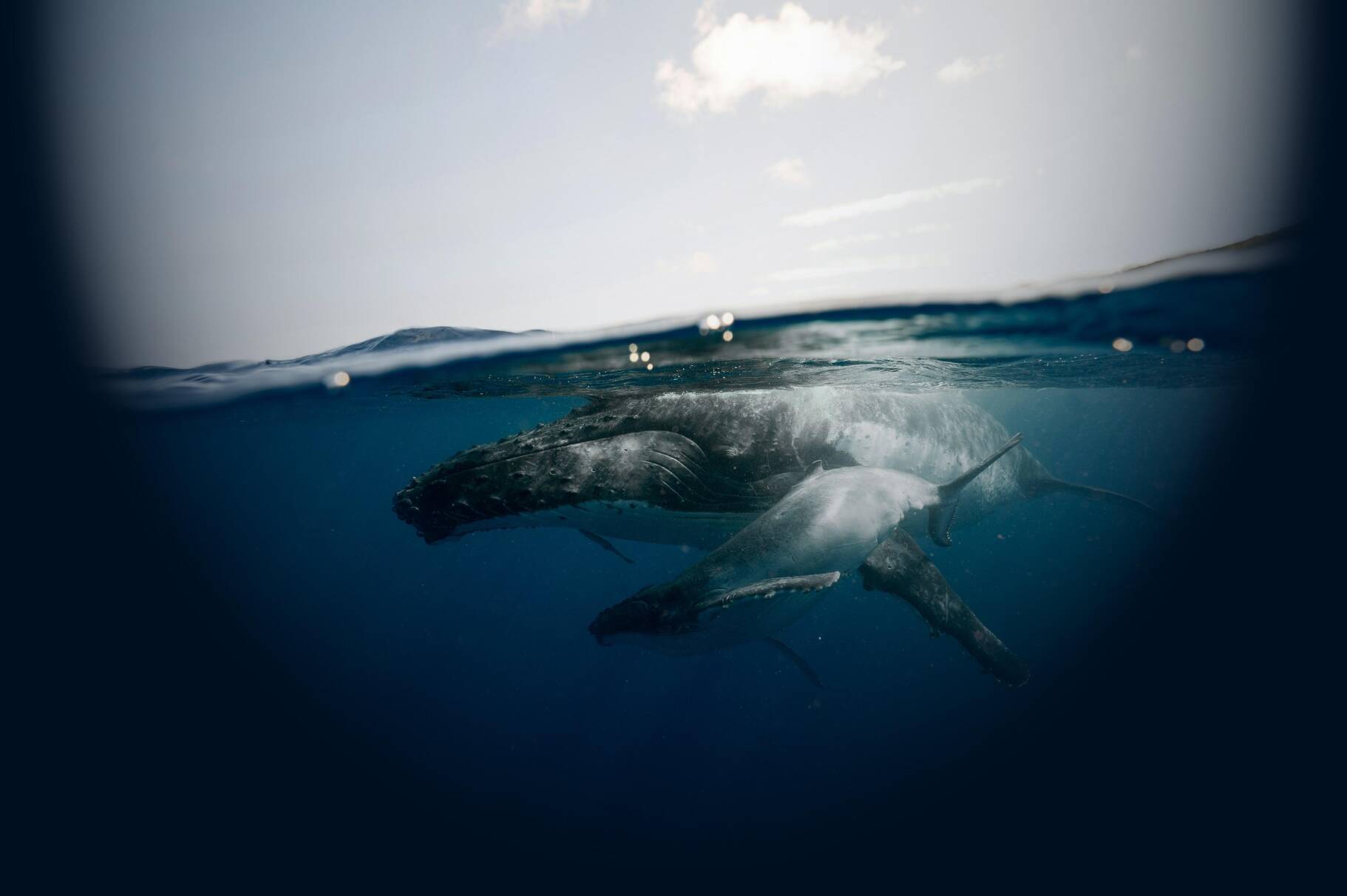
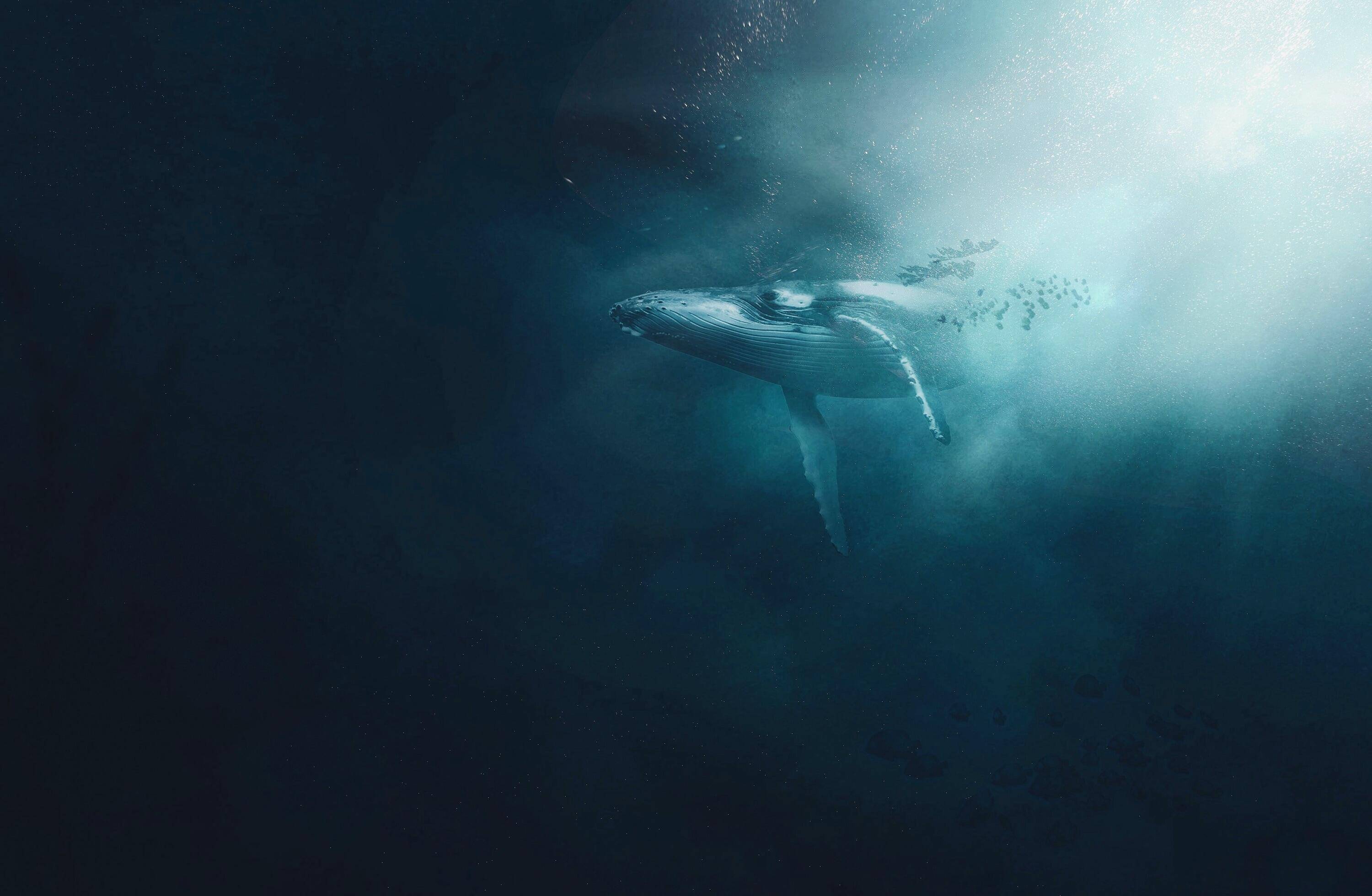
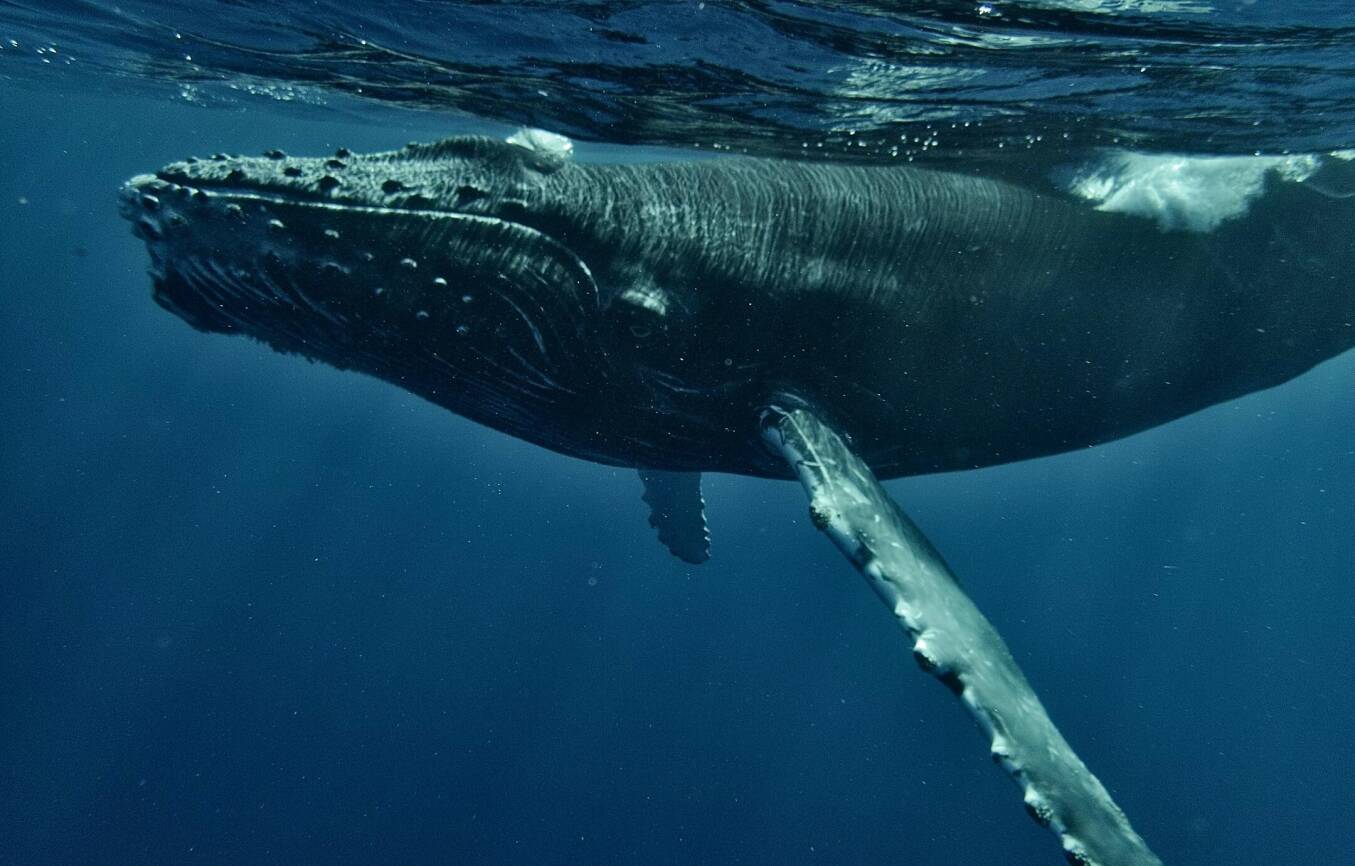
They are born into a world of sound, guided by songs passed down through generations. From the Arctic to the tropics, whales migrate and navigate a changing ocean. This is the story of one whale’s journey and what it shows us about life beneath the waves.
Beneath the surface, the ocean is a world shaped by currents, light, and sound. whales move constantly - feeding, breeding, and migrating across thousands of kilometers. Each stage of their life reveals something about the ocean they inhabit. This article follows one whale’s journey, exploring how these animals live, adapt, and reflect the changes in the sea around them.
Published
September 2025
Text
ChatGTP
Photo's and video's
Pexels, Unsplash
Birth and early life
Migration and navigation
Voices in the deep
A changing ocean
What whales teach us

Birth and early life
How a whale enters the world and begins its long journey through water

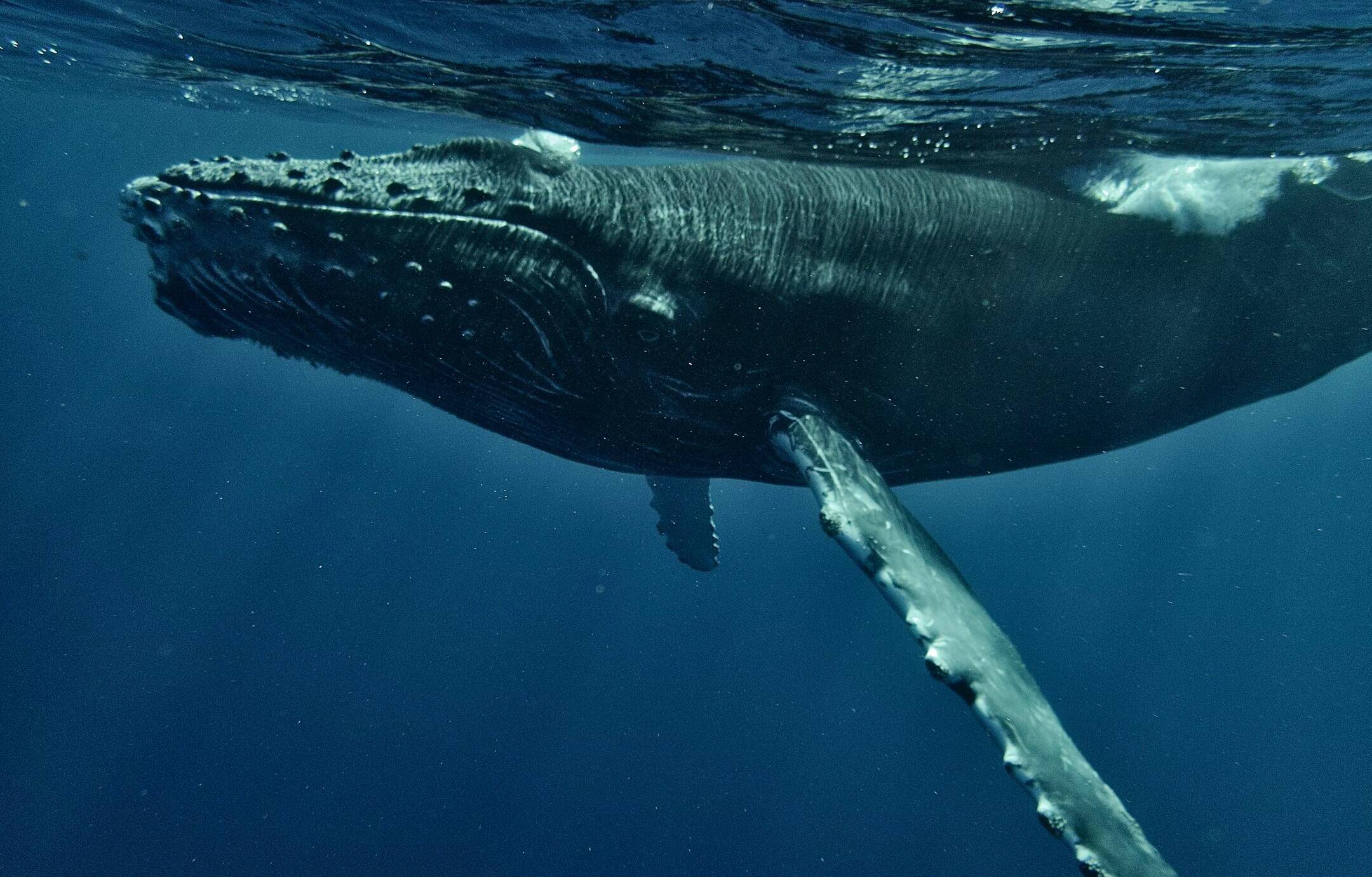
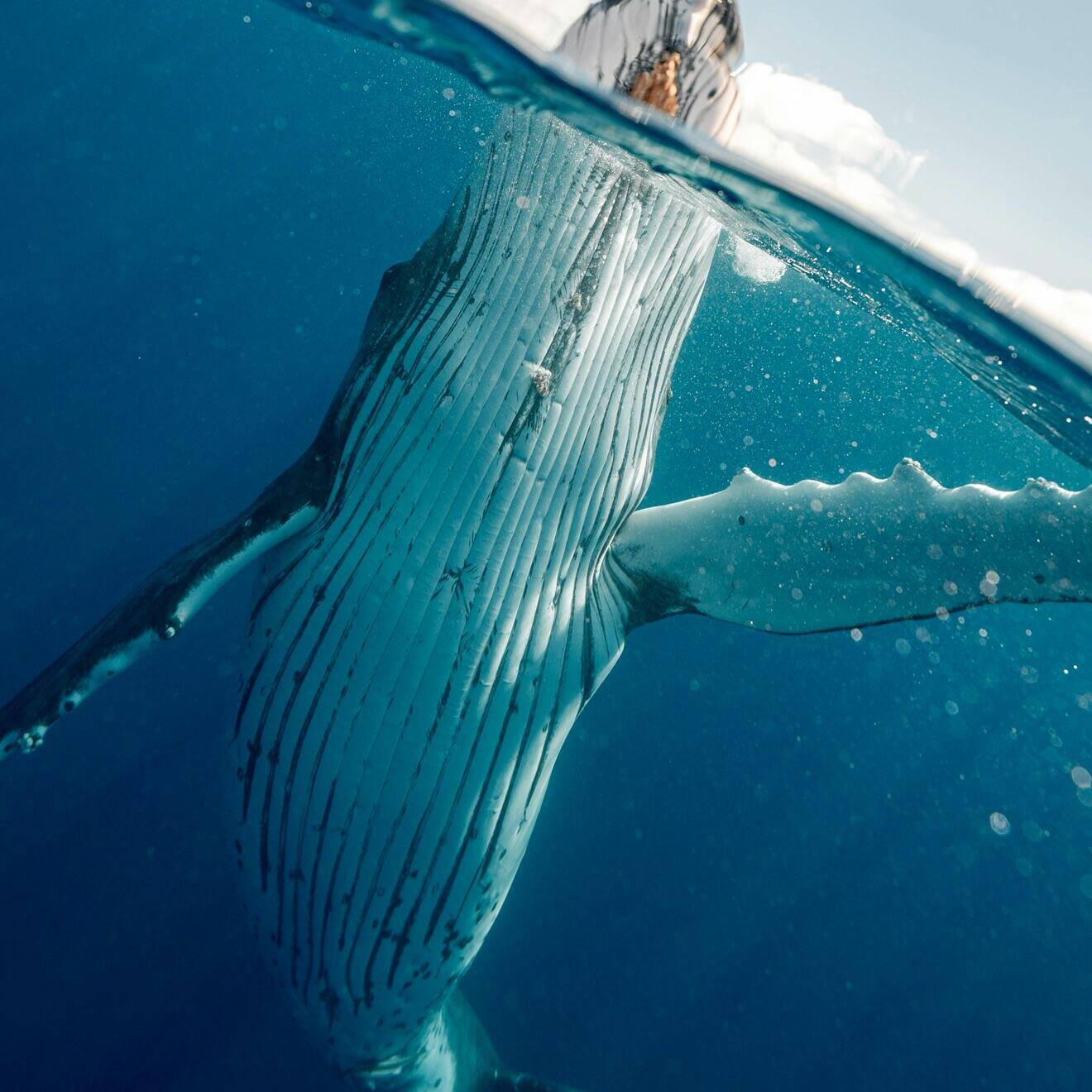
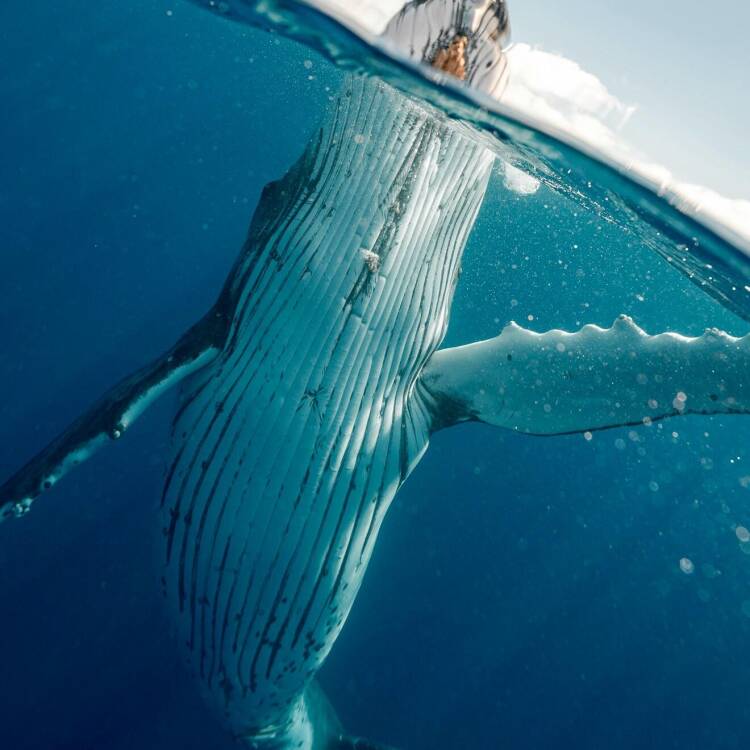
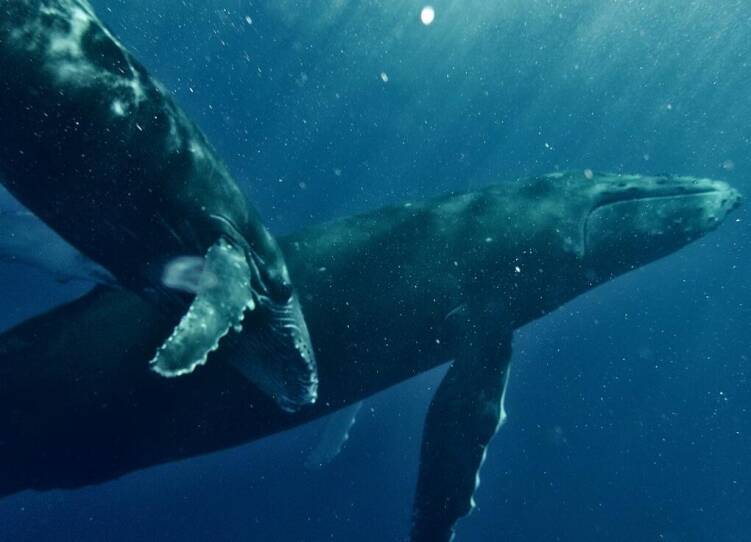
A whale is born tail-first in warm, shallow waters after nearly a year in the womb. The newborn calf surfaces quickly for its first breath of air, guided by its mother. In these early moments, survival depends entirely on her — for nourishment, protection, and movement. The calf nurses on high-fat milk, gaining weight rapidly and learning to swim by her side. Every day brings growth in strength and skill, as it begins to understand the sounds, rhythms, and movements of the ocean. Though still small compared to its future size, the calf is already preparing for the challenges ahead: predators, vast migrations, and shifting seas. From these first breaths to its development over the coming months, the calf begins a slow transformation — from a vulnerable newborn into one of the largest animals on Earth.
This early bond between mother and calf lays the foundation for a life shaped by movement, memory, and survival in an ever-changing sea.
From Calf to Giant
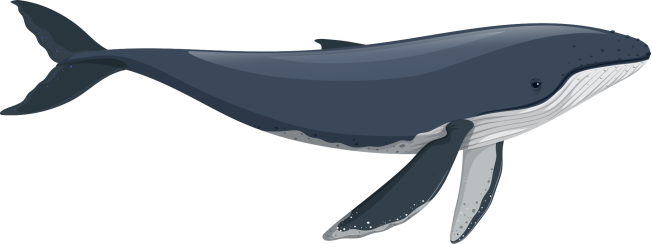
5 stages in a Whale's life
5
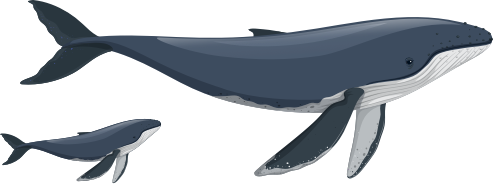
Stays close to mother, nurses on rich milk, and learns to swim and dive.
0 to ~1 year
Calf

Weaned and begins feeding, migrating, and socializing independently.
~1 to 5 years
Juvenile

Not yet sexually mature; develops skills, songs, and migration patterns.
~5 to 10 years
Adolescent

Mates regularly, migrates long distances and may give birth every few years.
~10 to 45 years
Adult

Slower moving; may carry long-term knowledge of routes and habitats.
45+ years
Elder

Each movement teaches the
young whale more about its world
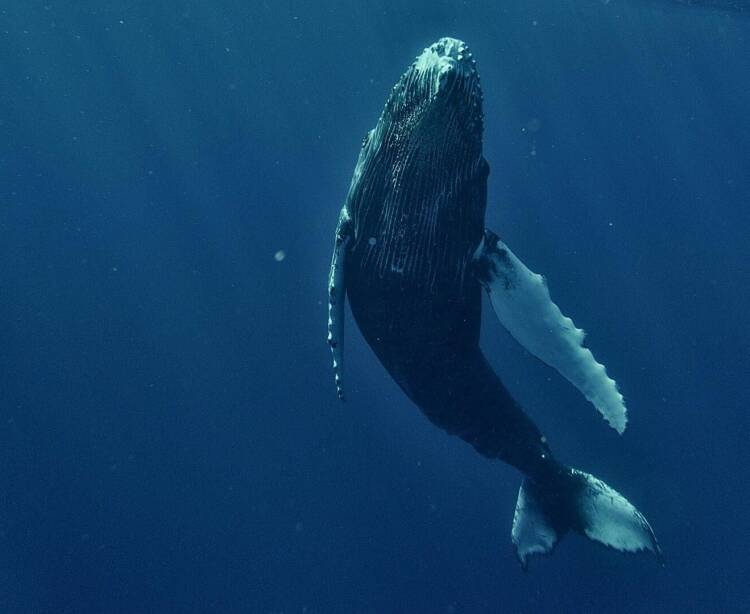
The calf’s early movements are critical to its understanding of the ocean environment. By swimming alongside its mother, it learns to navigate currents, avoid obstacles, and respond to sounds that indicate food or danger. These movements also stimulate muscle development and coordination, laying the groundwork for more complex behaviors later in life.
Exposure to the mother’s vocalizations and other ocean sounds teaches the calf to recognize species-specific calls and environmental cues. Over time, this growing sensory awareness helps the young whale interpret the shifting patterns of the sea, preparing it for the long migrations and social interactions ahead.

Migration and navigation
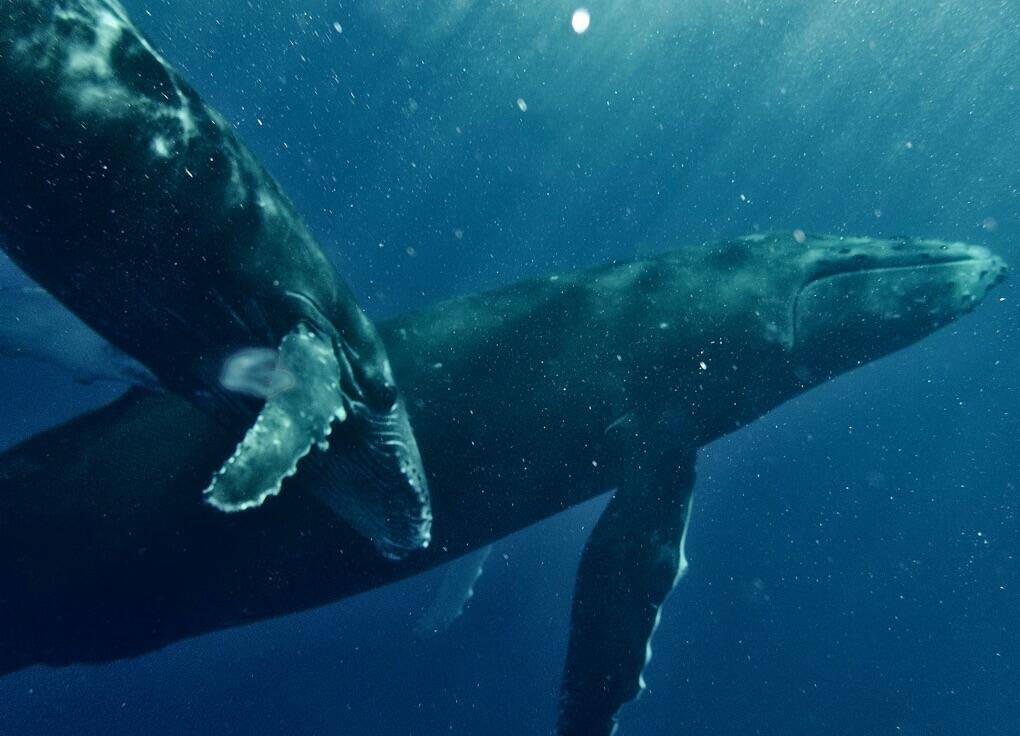
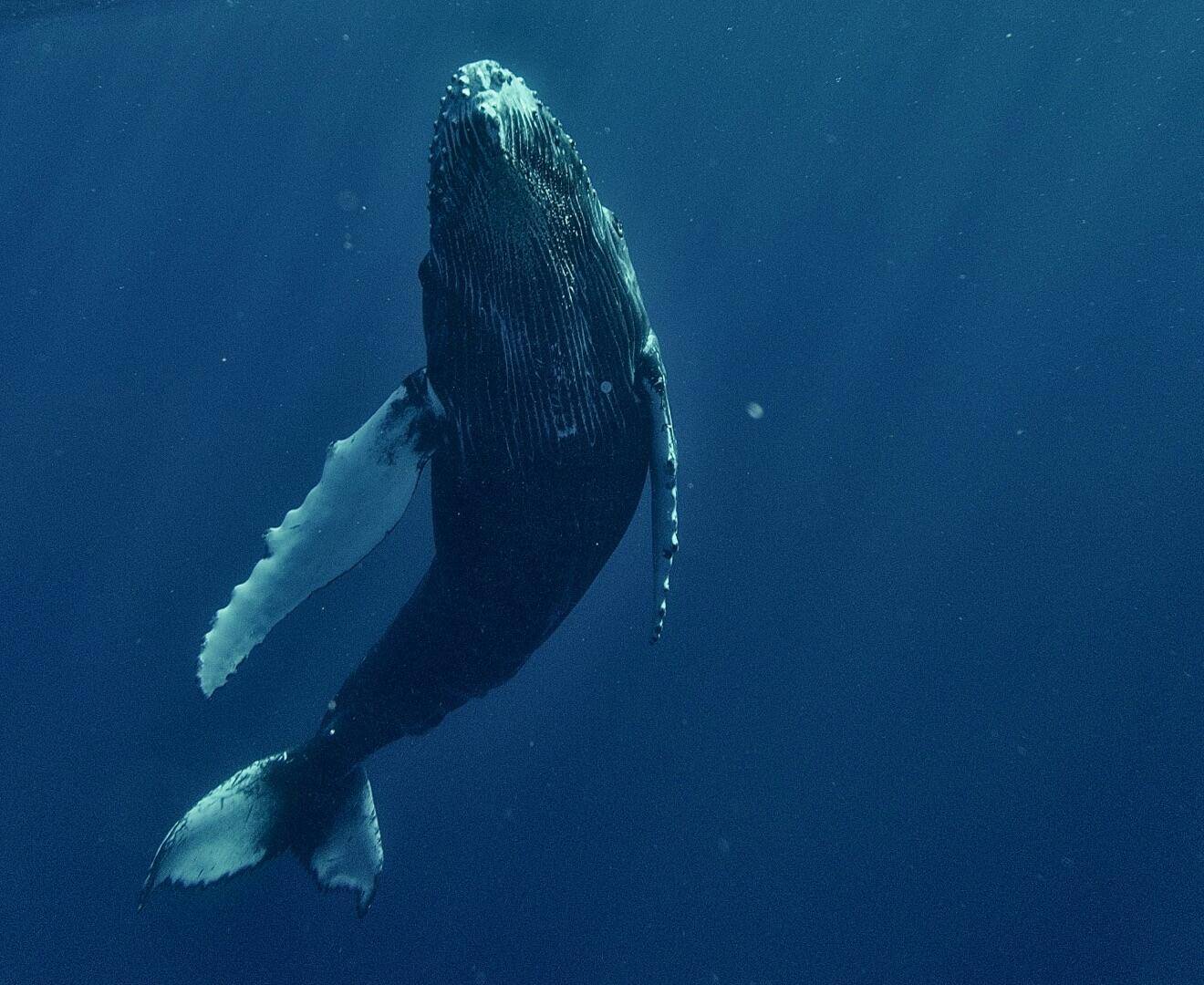
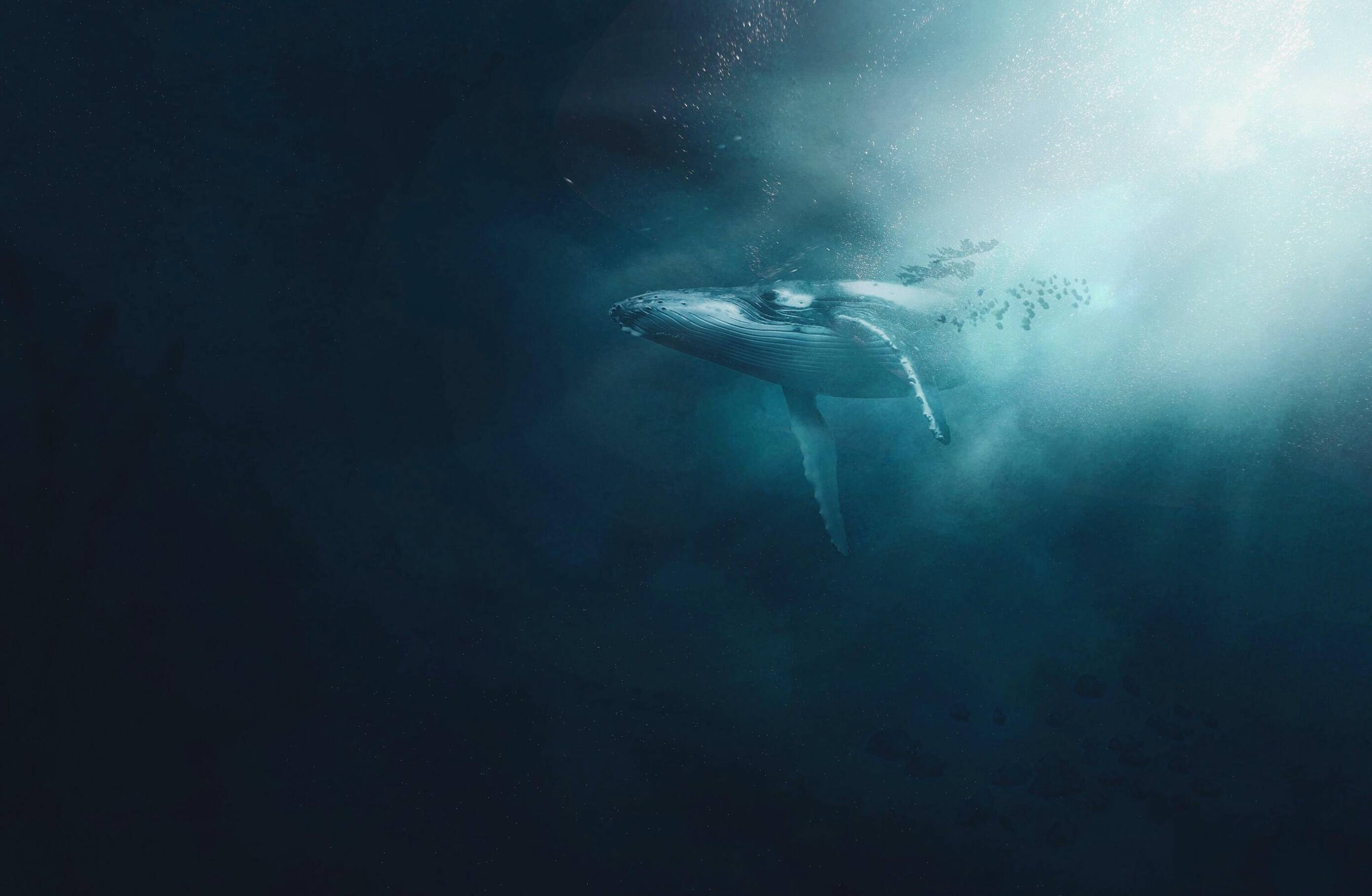
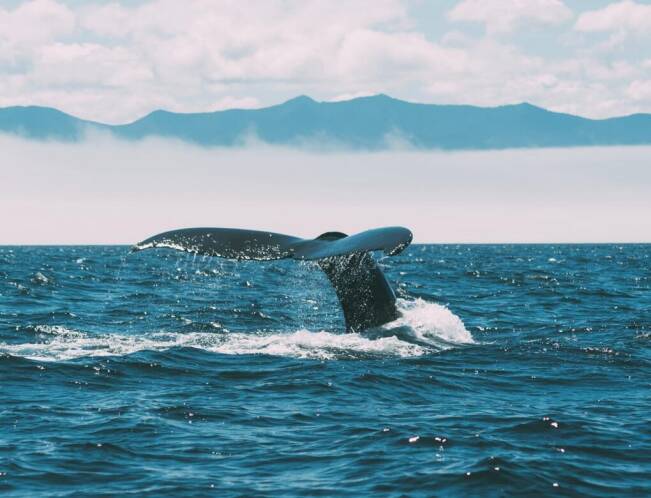
Whales undertake some of the longest migrations of any mammal, traveling thousands of kilometers between feeding and breeding grounds. These routes often follow ancient pathways shaped by ocean currents, temperature gradients, and food availability. Migration timing aligns closely with seasonal changes, ensuring access to rich feeding areas and safe birthing environments.
Navigational precision relies on a combination of environmental cues including the Earth’s magnetic field, the position of the sun and stars, water temperature, and underwater topography.
Young whales learn these routes through a combination of instinct and social learning, guided by experienced members of their pod.
Following ancient migratory paths of the sea, passed down through generations and guided by instinct
Paths
Migration routes used during early spring
hover on the plus-icons for more information








Gabbro Riebeck
Marine Biologist
Changes in migration patterns can signal shifts in ocean conditions such as rising temperatures, shifting currents, or altered distributions of prey. These adjustments may affect feeding success, reproduction, and calf survival. Scientists monitor migratory changes closely, using them as indicators of broader ecological trends across marine systems.
Migration also plays a vital role in the whale’s life cycle. It allows access to optimal feeding and breeding grounds and promotes genetic diversity through the mixing of distant populations. These long-distance journeys are essential for maintaining
healthy, resilient populations. The endurance and adaptability seen in these migrations reveal the complex connection between whales and their environment.
Each journey is shaped by both instinct and experience, reflecting the conditions of the sea around them. As the ocean changes, whale movements provide insight into the health of marine ecosystems, reinforcing their role as both inhabitants and early warning signals of a shifting world.
Voices in the deep
Songs that travel further than sight, a language written in water
Whale vocalizations are complex and varied, ranging from rhythmic pulses and clicks to long, melodic sequences that can last for hours. These sounds travel efficiently through water, reaching distances of hundreds — sometimes thousands — of kilometers. Unlike vision, which is limited in the ocean’s low-light and murky conditions, sound offers whales a consistent way to sense, interpret, and interact
with their surroundings.
Each species has its own repertoire of calls, some evolving into elaborate songs that vary by region and change over time.
These vocalizations serve multiple purposes: attracting mates, maintaining group cohesion, coordinating feeding strategies, and aiding in navigation across wide ocean
expanses. The repeated patterns and structure found in many whale songs suggest a sophisticated form of communication that helps sustain social connections over vast distances.
Songs that can be heared over miles and miles
click on the play-button
the hear a whale
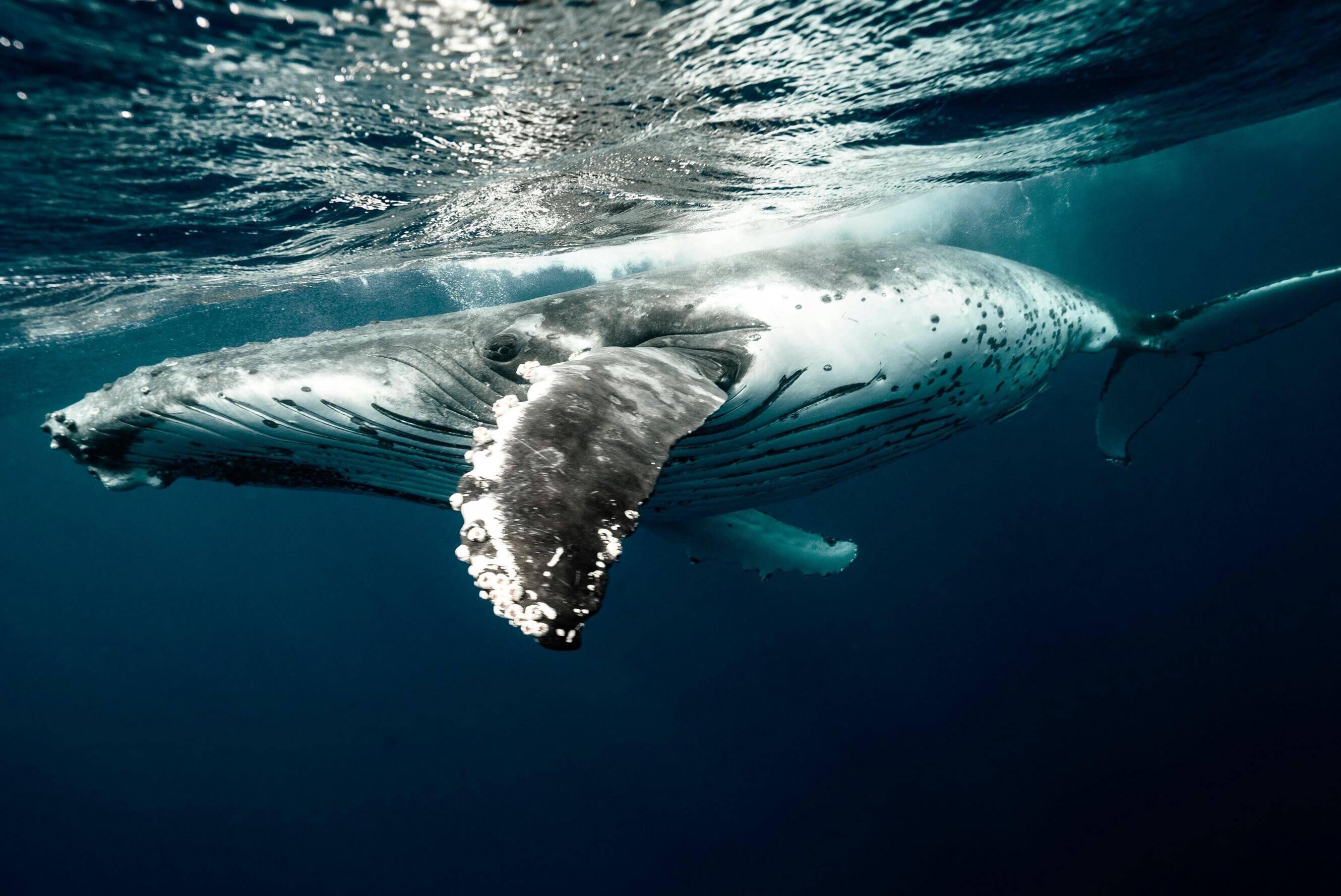
Whales use sound to stay in contact. Low-frequency calls travel across ocean basins, linking distant pods and coordinating movement. This supports social bonds and responses to changing conditions.
How whales use sound to stay connected across vast distances

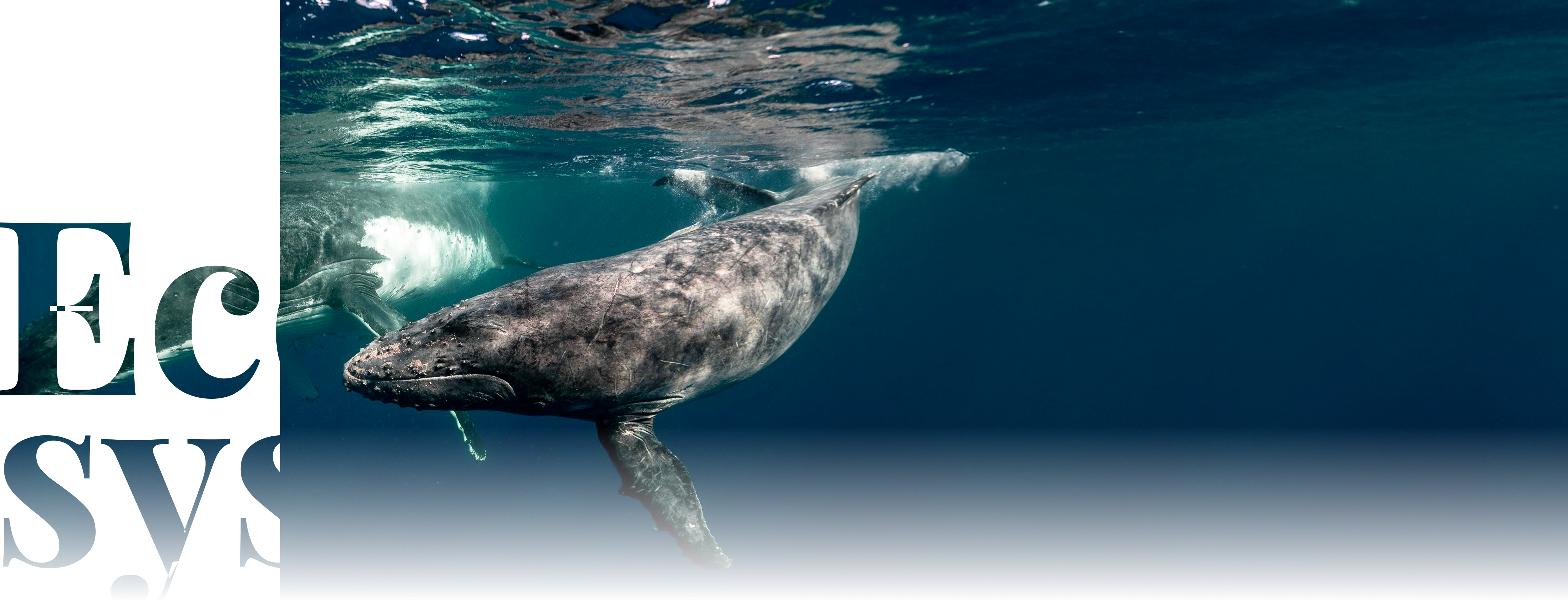
Eco
system
A changing ocean
Why protecting whales is essential for maintaining the health and balance of the entire ocean ecosystem
Whales play a crucial role in ocean ecosystems beyond their presence as large mammals. Through their feeding and migratory behaviors, they contribute to nutrient cycling, particularly by transporting nutrients from deep waters to surface layers where phytoplankton grow. Phytoplankton, in turn, form the base of the marine food web and are key in carbon sequestration.
Climate change, pollution, and habitat disturbance threaten whale populations, disrupting these ecological functions. Protecting whales helps maintain biodiversity and resilience in marine ecosystems, supporting the overall health of the ocean. Conservation efforts aimed at reducing threats can have broad positive effects on ocean stability and productivity.
Even a 1°c rise in ocean temperature can significantly reduce plankton and krill growth, weakening the base of the food chain that baleen whales and many other marine species depend on.
The arctic is warming 4 times faster than the global average, disrupting whale migration.
Melting sea ice have reduced key feeding areas for humpback whales by more than 30%.
Rising ocean temperatures are shifting whale migration routes by up to 500 kilometers.
Underwater noise from ships has increased by over 1,000% in some regions since the 1950s.
Phytoplankton absorb around 40% of all carbon dioxide emitted globally.
Phytoplankton (microscopic plants) produce over 50% of the world's oxygen.
“Whales boost Phytoplankton growth and store up to 33 tons of carbon, vital for ocean health and climate.”
“Whales boost Phytoplankton growth and store up to 33 tons of carbon, vital for ocean health and climate.”
Gabbro Riebeck
Marine Biologist
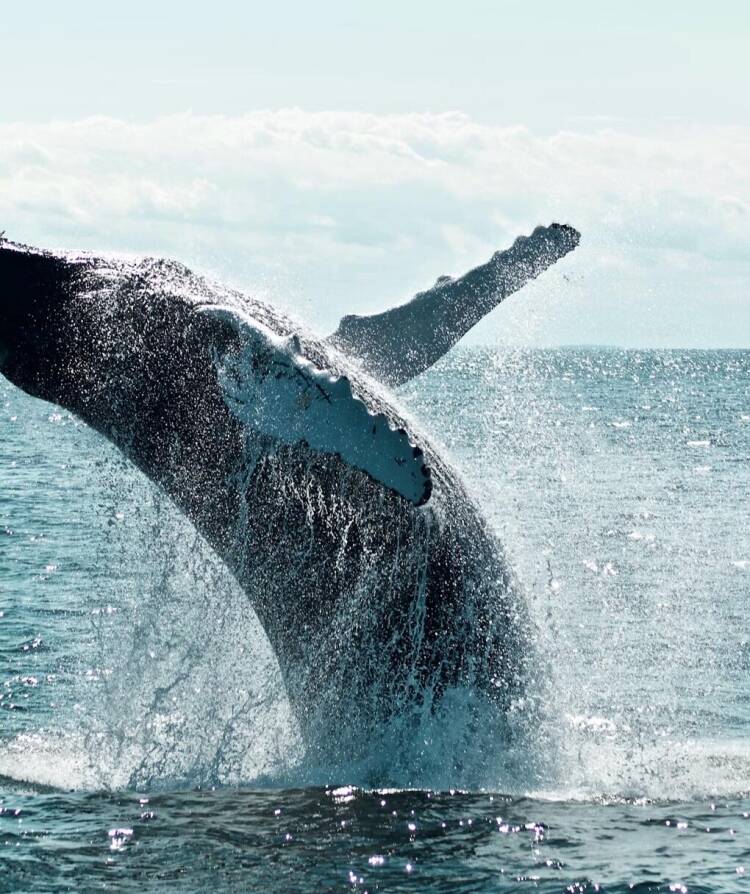
The long memory of the ocean beneath reveals what whale research teaches us about climate impact and ocean stability
Whales serve as living archives of ocean health. Their long lifespans and migratory behaviors record changes in the marine environment, from temperature fluctuations to shifts in prey distribution. Research on whale populations and behavior provides insight into the cumulative impacts of climate change and human activity on ocean systems. Long-term tracking of individuals also reveals patterns that may take decades to emerge, offering rare continuity in an otherwise shifting ocean.
By studying whales, scientists gain a clearer understanding of how ecosystems respond to stress and which factors contribute to resilience. This knowledge informs conservation strategies that can help protect both whales and the broader ocean environment in a rapidly changing world.
What whales teach us





3 lessons from whales
What whales teach us
3
A stable ocean depends on the balance of its inhabitants, with whales playing a key role in maintaining that equilibrium. Their presence supports vital ecosystem functions that help regulate climate and sustain marine life. Protecting whales is part of protecting the ocean’s future.
A stable and resilient ocean



Blue

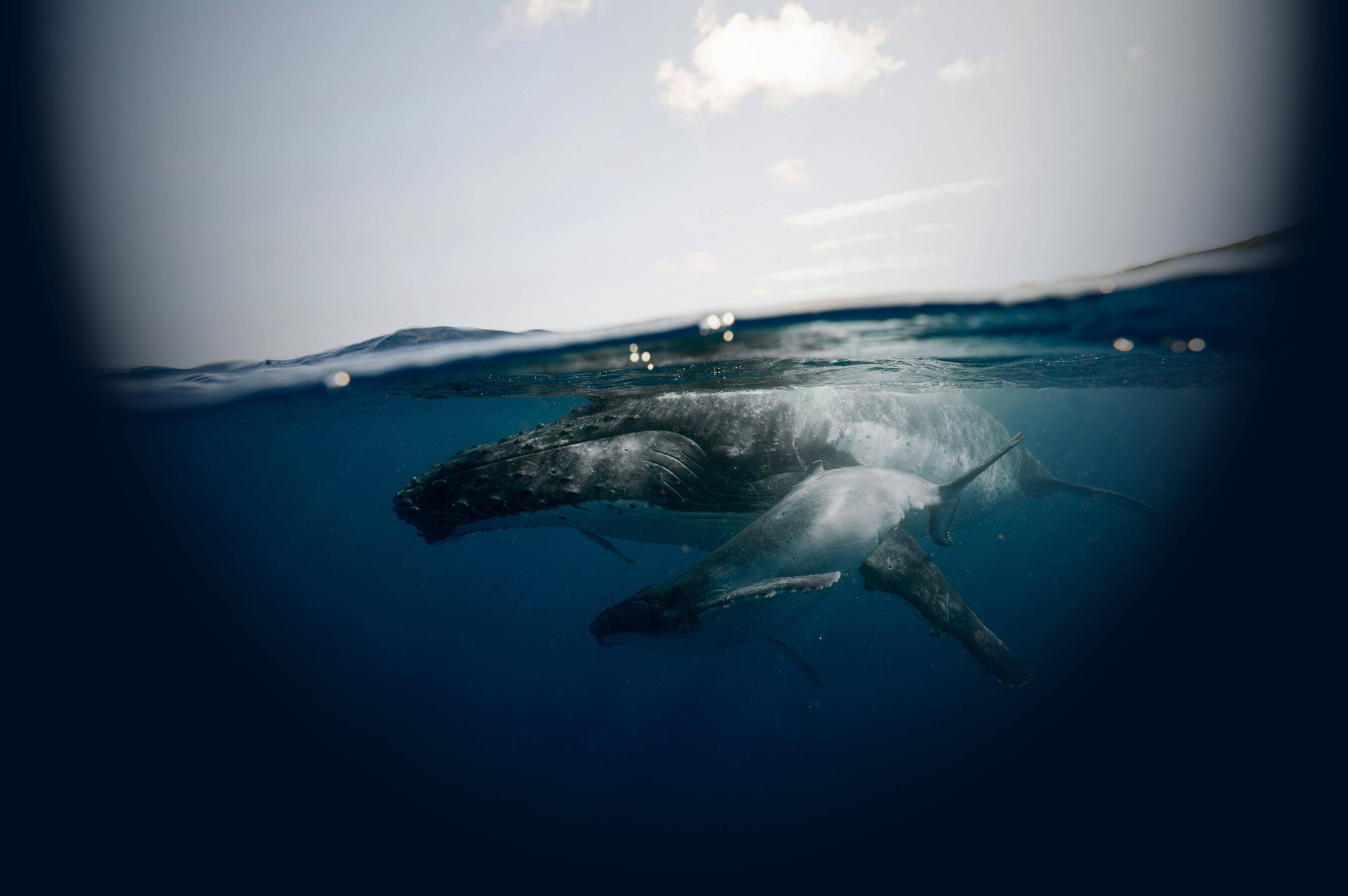












A stable ocean depends on the balance of its inhabitants, with whales playing a key role in maintaining that equilibrium. Their presence supports vital ecosystem functions that help regulate climate and sustain marine life. Protecting whales is part of protecting the ocean’s future.
A stable and resilient ocean
3 lessons from whales
What whales teach us
3
The long memory of the ocean beneath reveals what whale research teaches us about climate impact and ocean stability
Whales serve as living archives of ocean health. Their long lifespans and migratory behaviors record changes in the marine environment, from temperature fluctuations to shifts in prey distribution. Research on whale populations and behavior provides insight into the cumulative impacts of climate change and human activity on ocean systems. Long-term tracking of individuals also reveals patterns that may take decades to emerge, offering rare continuity in an otherwise shifting ocean.
By studying whales, scientists gain a clearer understanding of how ecosystems respond to stress and which factors contribute to resilience. This knowledge informs conservation strategies that can help protect both whales and the broader ocean environment in a rapidly changing world.
What whales teach us
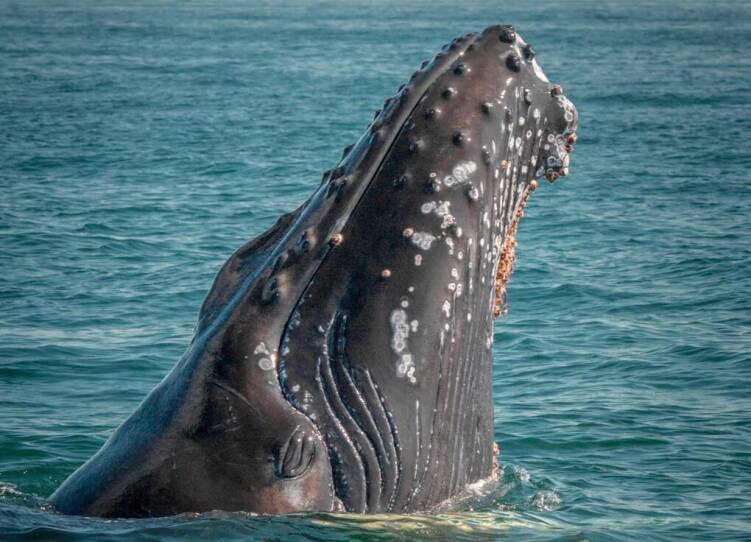
“Whales boost Phytoplankton growth and store up to 33 tons of carbon, vital for ocean health and climate.”
“Whales boost Phytoplankton growth and store up to 33 tons of carbon, vital for ocean health and climate.”
Gabbro Riebeck
Marine Biologist

Melting sea ice have reduced key feeding areas for humpback whales by more than 30%.
Even a 1°c rise in ocean temperature can significantly reduce plankton and krill growth, weakening the base of the food chain that baleen whales and many other marine species depend on.
Phytoplankton absorb around 40% of all carbon dioxide emitted globally.
Phytoplankton (microscopic plants) produce over 50% of the world's oxygen.
The arctic is warming 4 times faster than the global average, disrupting whale migration.
Rising ocean temperatures are shifting whale migration routes by up to 500 kilometers.
Underwater noise from ships has increased by over 1,000% in some regions since the 1950s.
Eco
system
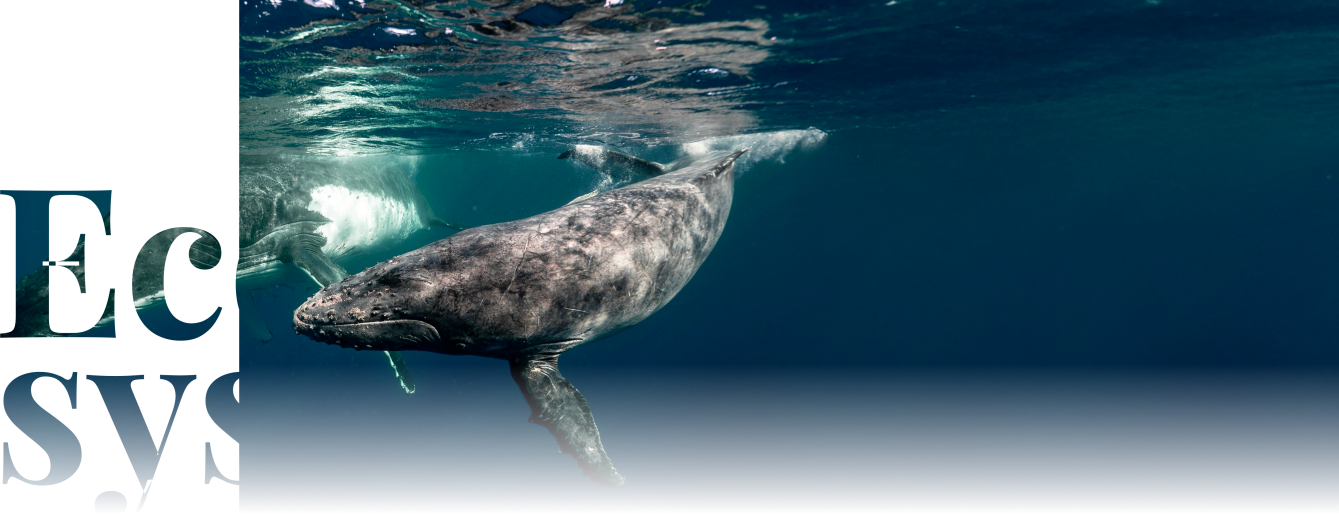
Whales use sound to stay in contact. Low-frequency calls travel across ocean basins, linking distant pods and coordinating movement. This supports social bonds and responses to changing conditions.
How whales use sound to stay connected across vast distances
A changing ocean
Why protecting whales is essential for maintaining the health and balance of the entire ocean ecosystem
Whales play a crucial role in ocean ecosystems beyond their presence as large mammals. Through their feeding and migratory behaviors, they contribute to nutrient cycling, particularly by transporting nutrients from deep waters to surface layers where phytoplankton grow. Phytoplankton, in turn, form the base of the marine food web and are key in carbon sequestration. Climate change, pollution, and habitat disturbance threaten whale populations, disrupting these ecological functions. Protecting whales helps maintain biodiversity and resilience in marine ecosystems, supporting the overall health of the ocean. Conservation efforts aimed at reducing threats can have broad positive effects on ocean stability and productivity.
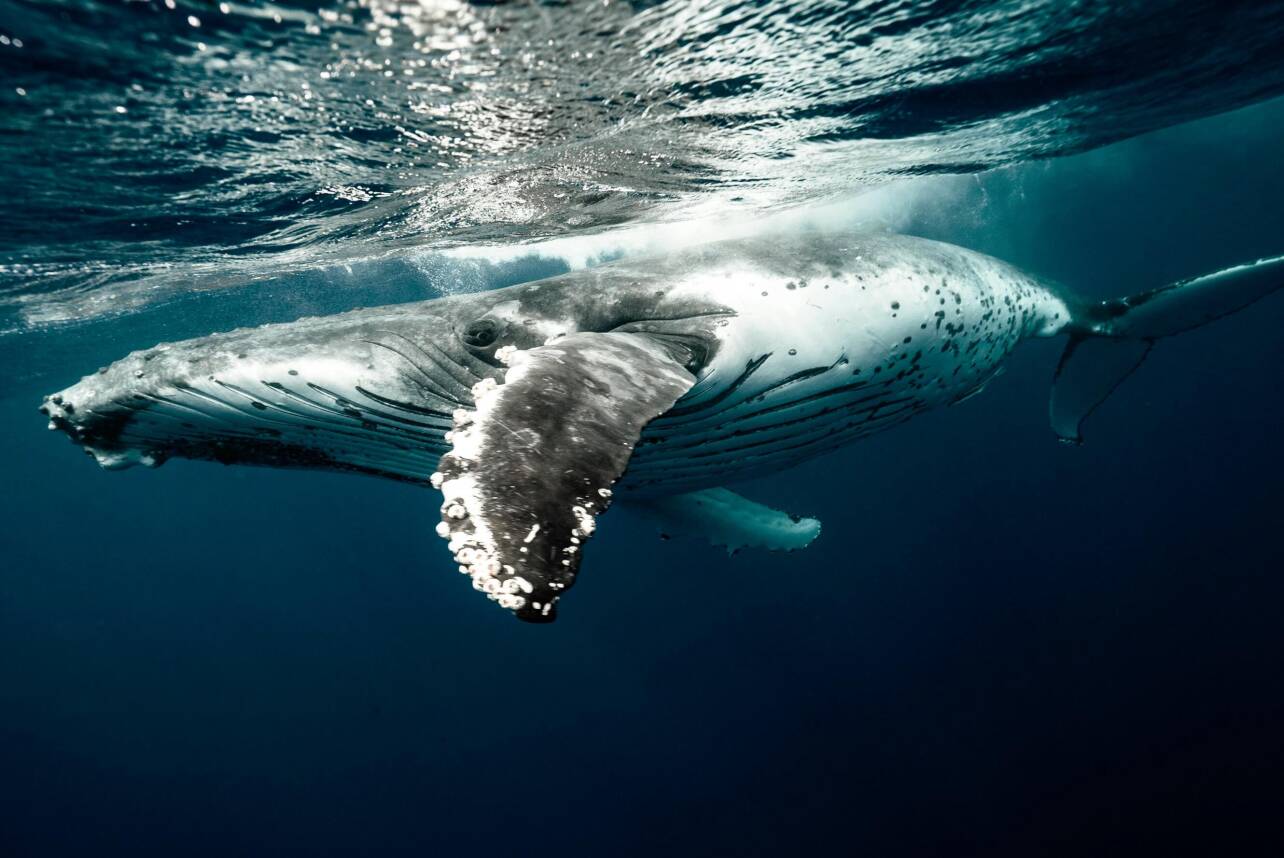
Songs that can be heared over miles and miles
click on the play-button
the hear a whale
Voices in the deep
Songs that travel further than sight, a language written in water
Whale vocalizations are complex and varied, ranging from rhythmic pulses and clicks to long, melodic sequences that can last for hours. These sounds travel efficiently through water, reaching distances of hundreds — sometimes thousands — of kilometers. Unlike vision, which is limited in the ocean’s low-light and murky conditions, sound offers whales a consistent way to sense, interpret, and interact
with their surroundings. Each species has its own repertoire of calls, some evolving into elaborate songs that vary by region and change over time.
These vocalizations serve multiple purposes: attracting mates, maintaining group cohesion, coordinating feeding strategies, and aiding in navigation across wide ocean expanses. The repeated patterns and structure found in many whale songs suggest a sophisticated form of communication that helps sustain social connections over vast distances.
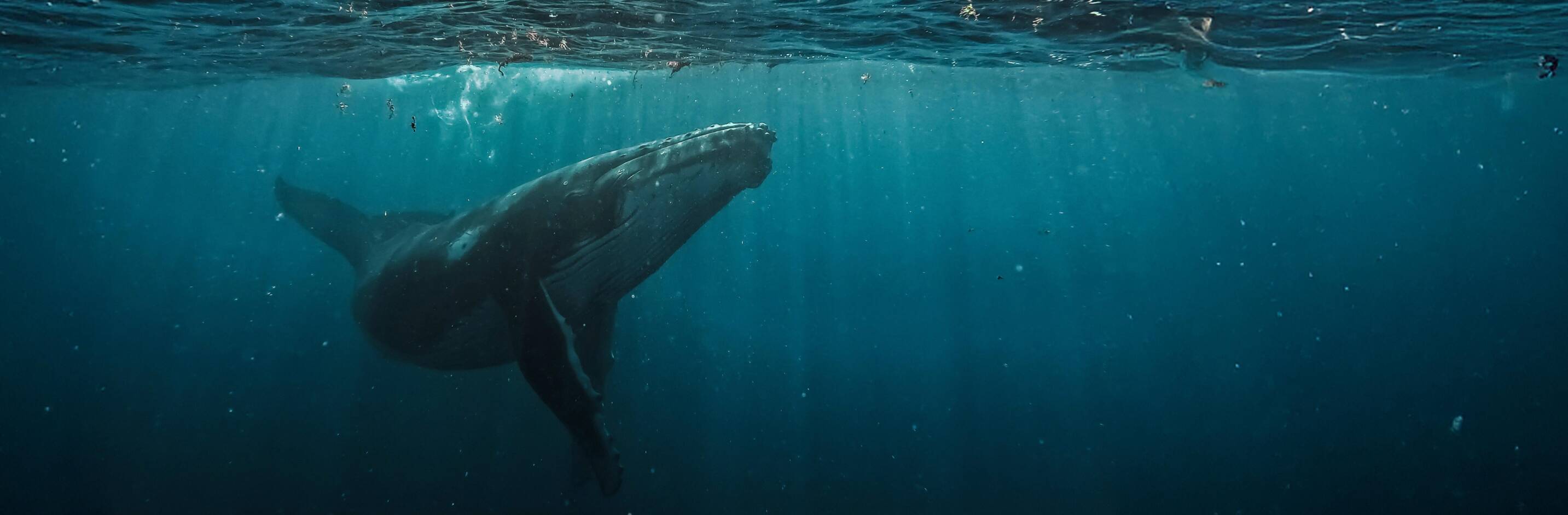
Changes in migration patterns can signal shifts in ocean conditions such as rising temperatures, shifting currents, or altered distributions of prey. These adjustments may affect feeding success, reproduction, and calf survival. Scientists monitor migratory changes closely, using them as indicators of broader ecological trends across marine systems.
Migration also plays a vital role in the whale’s life cycle. It allows access to optimal feeding and breeding grounds and promotes genetic diversity through the mixing of distant populations. These long-distance journeys are essential for maintaining healthy, resilient populations. The endurance and adaptability seen in these migrations reveal the complex connection between whales and their environment.
Each journey is shaped by both instinct and experience, reflecting the conditions of the sea around them. As the ocean changes, whale movements provide insight into the health of marine ecosystems, reinforcing their role as both inhabitants and early warning signals of a shifting world.

Gabbro Riebeck
Marine Biologist
Migration routes used during early spring
hover on the plus-icons for more information
Migration and navigation
Whales undertake some of the longest migrations of any mammal, traveling thousands of kilometers between feeding and breeding grounds. These routes often follow ancient pathways shaped by ocean currents, temperature gradients, and food availability. Migration timing aligns closely with seasonal changes, ensuring access to rich feeding areas and safe birthing environments.
Navigational precision relies on a combination of environmental cues including the Earth’s magnetic field, the position of the sun and stars, water temperature, and underwater topography.
Young whales learn these routes through a combination of instinct and social learning, guided by experienced members of their pod.
Following ancient migratory paths of the sea, passed down through generations and guided by instinct
Paths
Each movement teaches the
young whale more about its world
The calf’s early movements are critical to its understanding of the ocean environment. By swimming alongside its mother, it learns to navigate currents, avoid obstacles, and respond to sounds that indicate food or danger. These movements also stimulate muscle development and coordination, laying the groundwork for more complex behaviors later in life.
Exposure to the mother’s vocalizations and other ocean sounds teaches the calf to recognize species-specific calls and environmental cues. Over time, this growing sensory awareness helps the young whale interpret the shifting patterns of the sea, preparing it for the long migrations and social interactions ahead.
Slower moving; may carry long-term knowledge of routes and habitats.
45+ years
Elder
Mates regularly, migrates long distances and may give birth every few years.
~10 to 45 years
Adult
Not yet sexually mature; develops skills, songs, and migration patterns.
~5 to 10 years
Adolescent
Weaned and begins feeding, migrating, and socializing independently.
~1 to 5 years
Juvenile
A whale is born tail-first in warm, shallow waters after nearly a year in the womb. The newborn calf surfaces quickly for its first breath of air, guided by its mother. In these early moments, survival depends entirely on her — for nourishment, protection, and movement. The calf nurses on high-fat milk, gaining weight rapidly and learning to swim by her side. Every day brings growth in strength and skill, as it begins to understand the sounds, rhythms, and movements of the ocean. Though still small compared to its future size, the calf is already preparing for the challenges ahead: predators, vast migrations, and shifting seas. From these first breaths to its development over the coming months, the calf begins a slow transformation — from a vulnerable newborn into one of the largest animals on Earth.
This early bond between mother and calf lays the foundation for a life shaped by movement, memory, and survival in an ever-changing sea.
From Calf to Giant
5 stages in a Whale's life
5
Stays close to mother, nurses on rich milk, and learns to swim and dive.
0 to ~1 year
Calf
Birth and early life
How a whale enters the world and begins its long journey through water

Published
September 2025
Text
ChatGTP
Photo's and video's
Pexels, Unsplash
Blue
They are born into a world of sound, guided by songs passed down through generations. From the Arctic to the tropics, whales migrate and navigate a changing ocean. This is the story of one whale’s journey and what it shows us about life beneath the waves.
Beneath the surface, the ocean is a world shaped by currents, light, and sound. whales move constantly - feeding, breeding, and migrating across thousands of kilometers. Each stage of their life reveals something about the ocean they inhabit. This article follows one whale’s journey, exploring how these animals live, adapt, and reflect the changes in the sea around them.