ENDANGERED SPECIES
WHY THEY MATTER
FACTS & FIGURES
A LIFE IN THE TREES
THE GREAT APES





Indonesia
Australia
WWF
ADOPT AN ORANGUTAN
Make a symbolic orangutan adoption to help save some of the world's most endangered animals from extinction and support WWF's conservation efforts.

Deforestation and habitat loss
The habitats of Asia's only great apes are fast disappearing under the chainsaw to make way for oil palm plantations and other agricultural plantations. Illegal logging inside protected areas and unsustainable logging in concessions where orangutans live remains a major threat to their survival.
Hunting and illegal wildlife trade
Orangutans are an easy target for hunters because they're large and slow targets. They are killed for food or in retaliation when they move into agricultural areas and destroy crops. This usually occurs when orangutans can't find the food they need in the forest.
Jane Goodall
“Orangutans have been living for
hundreds of thousands of years in their forest,
living fantastic lives, never overpopulating, never destroying the forest.
I would say that they have been in a way more successful than us
as far as being in harmony with the environment.”
HUMAN DESTRUCTION
ENDANGERED SPECIES
Orangutans are one of the most critically endangered of the great apes, Human activities have caused severe declines in populations and ranges. Threats to wild orangutan populations include poaching, habitat destruction and deforestation as a result of palm oil cultivation, and the illegal pet trade and are devastating to Indonesia. Several conservation and rehabilitation organisations are dedicated to the survival of orangutans in the wild. This is a crucial time for orangutans.
populations highly vulnerable. Females give birth to one infant at a time about every 3-5 years, so these species can take a long time to recover from population declines. With human pressure only increasing, orangutans face an increasing risk of extinction.
VITAL ROLE
WHY THEY MATTER
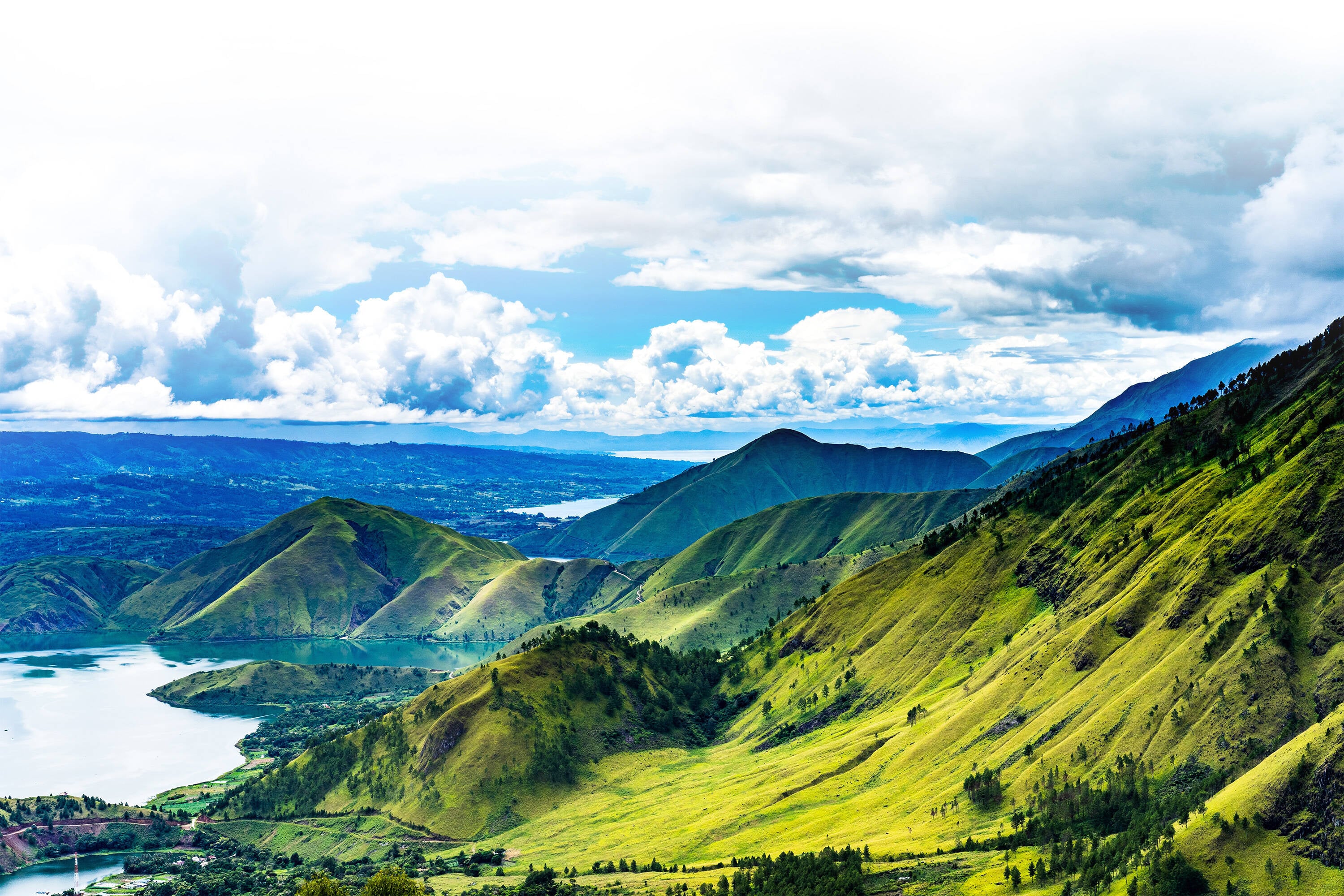
Orangutans are "gardeners" of the forest, playing a vital role in seed dispersal in their habitats. They live in tropical forests and prefer forest in river valleys and floodplains of their respective islands. Orangutans' extremely low reproductive rate makes their
ORANGUTAN
FACTS & FIGURES
Some might say orangutans have four hands instead of two hands and two feet.

NATURAL HABITAT
A LIFE IN
THE TREES
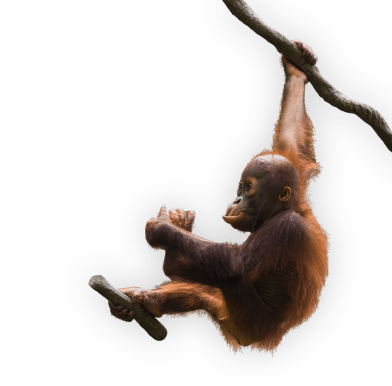
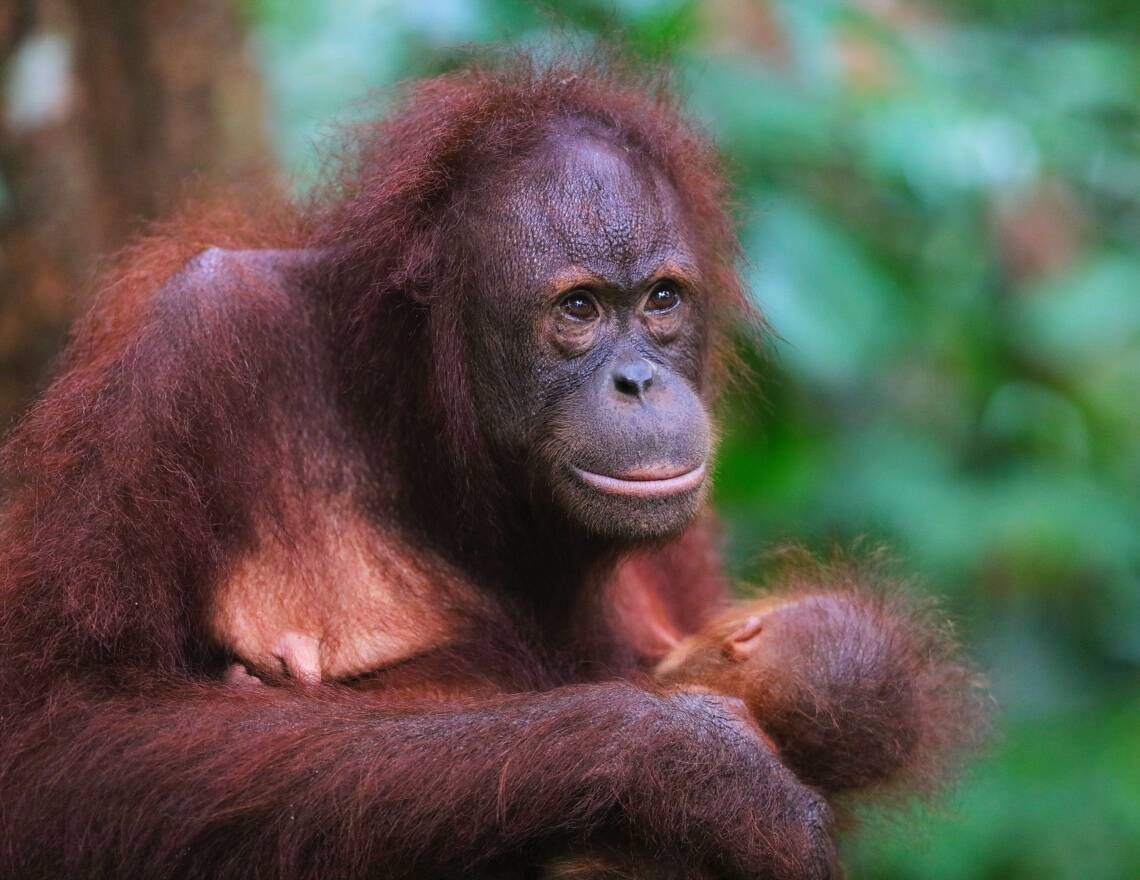
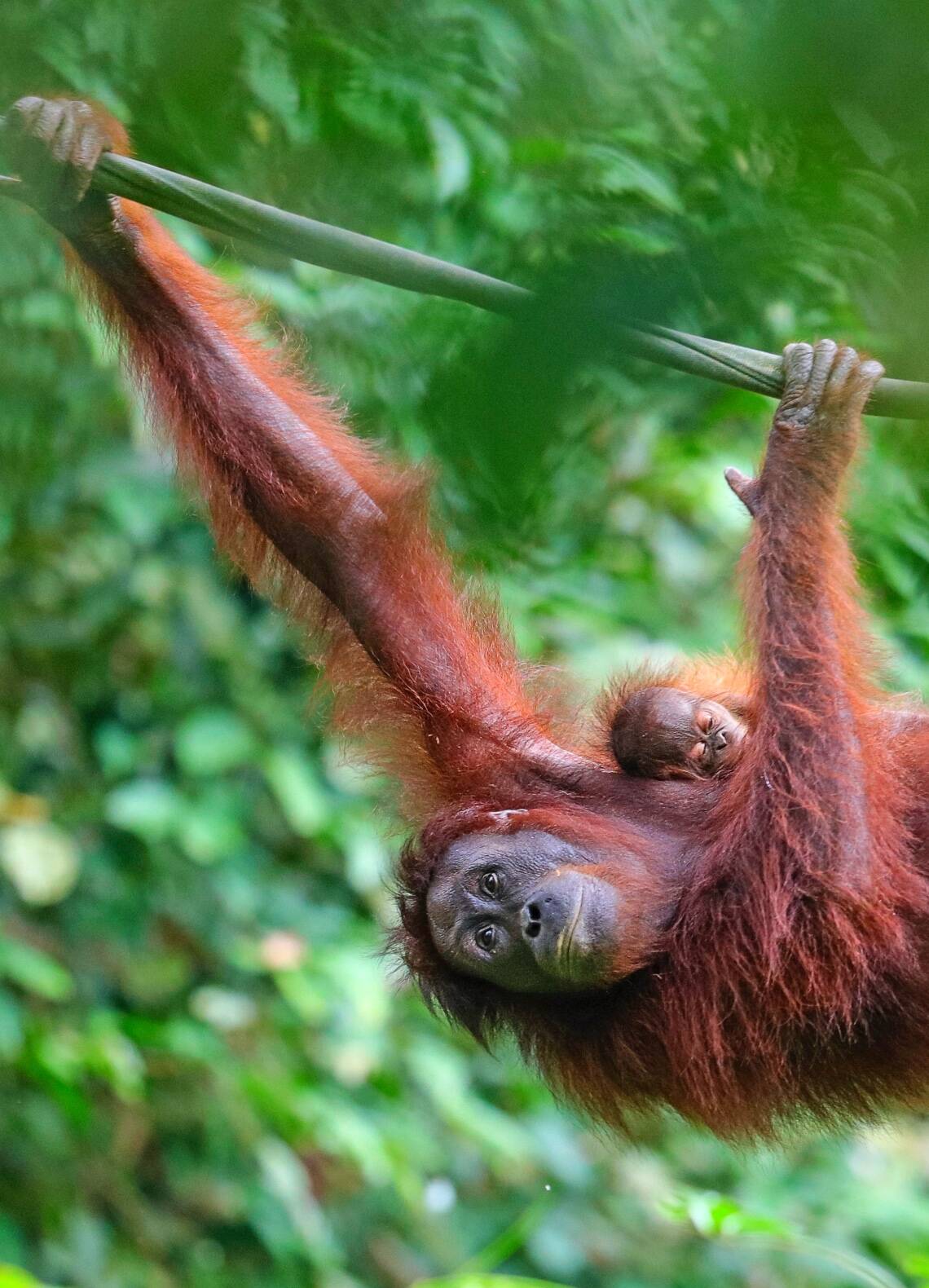
Orangutans are the only primarily arboreal great ape and are the largest tree living mammal in the world. The other great apes do climb, travel and build sleeping nests in trees, but they are considered semi-terrestrial, whereas orangutans spend about 80% of their time in the trees. Orangutans have remarkable abilities for traveling through the forest canopy and have unique adaptations to their life in the treetops: feet designed much like hands for climbing, flexible hips for holding on in any direction, long arms for reaching and long, strong hands and feet.
Intelligent Primates
Orangutans are among the most intelligent primates; they use a variety of sophisticated tools and construct elaborate sleeping nests each night from branches and foliage. The apes have been extensively studied for their learning abilities. There may even be distinctive cultures within populations. Field studies of the apes were pioneered by primatologist Birutė Galdikas.
Males & Females
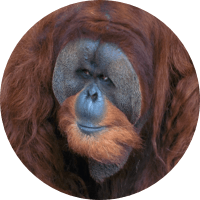
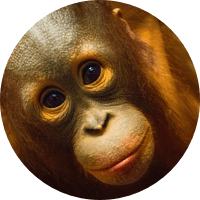
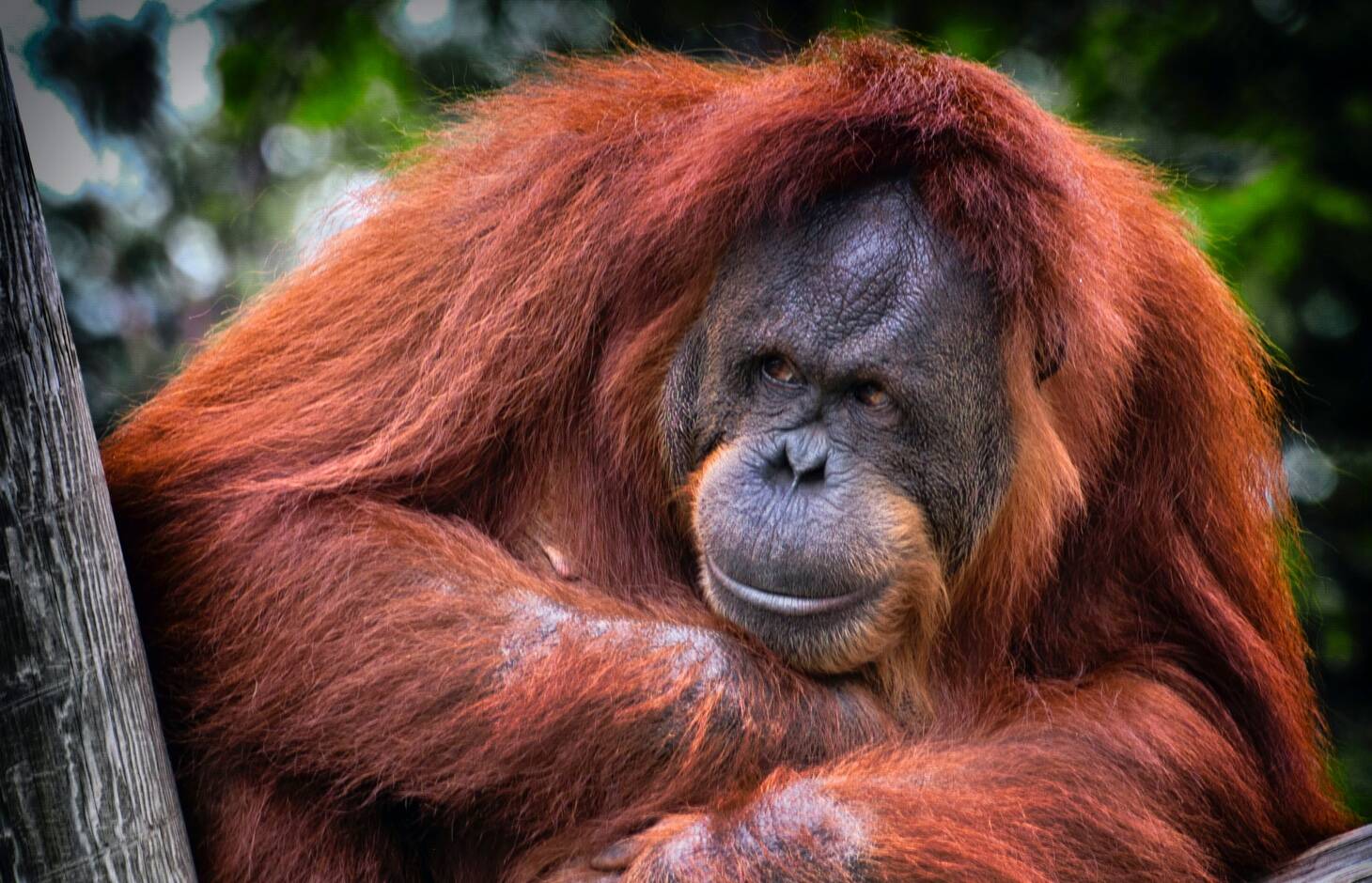
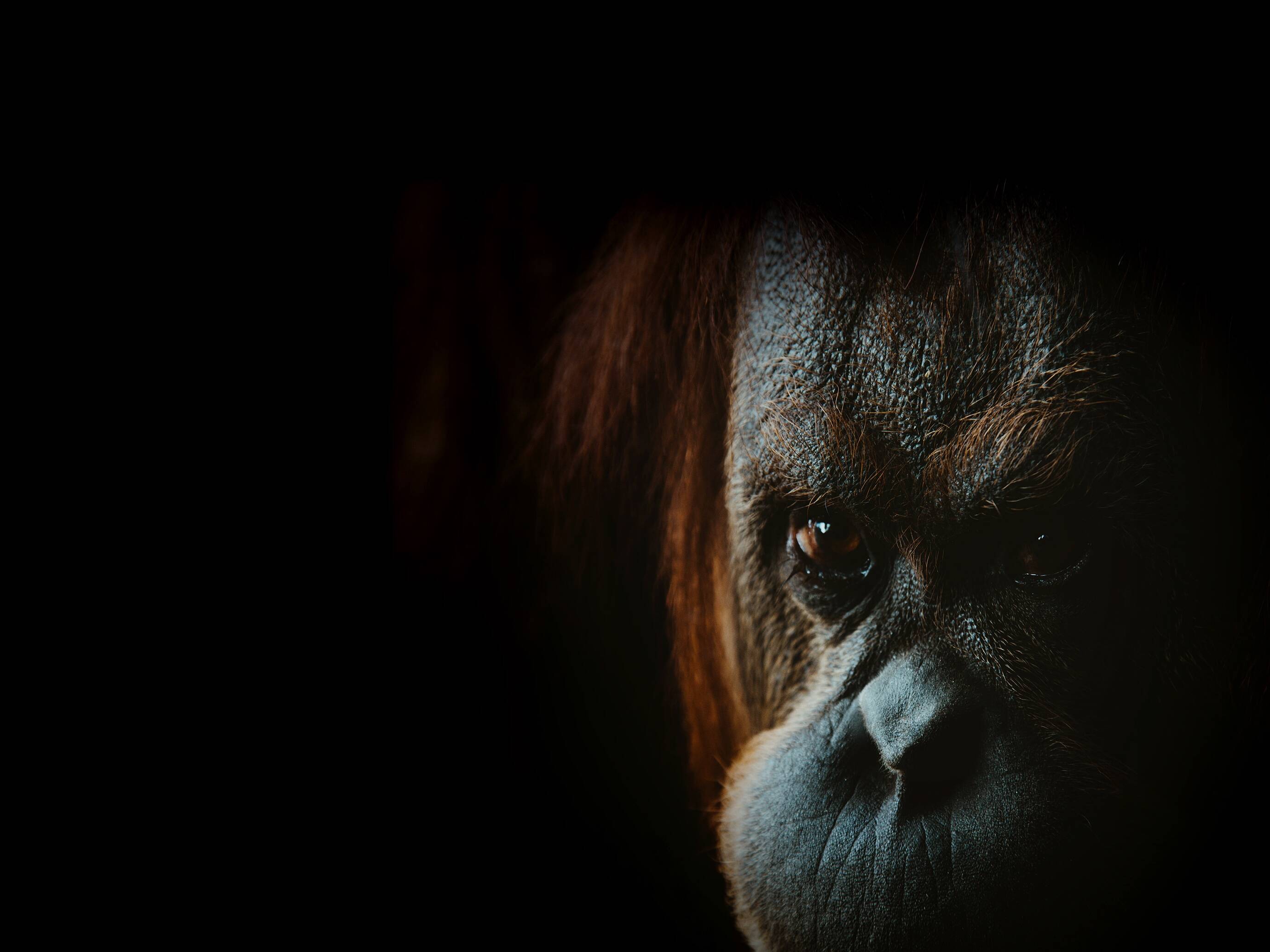
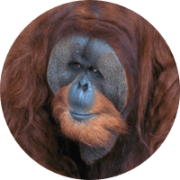
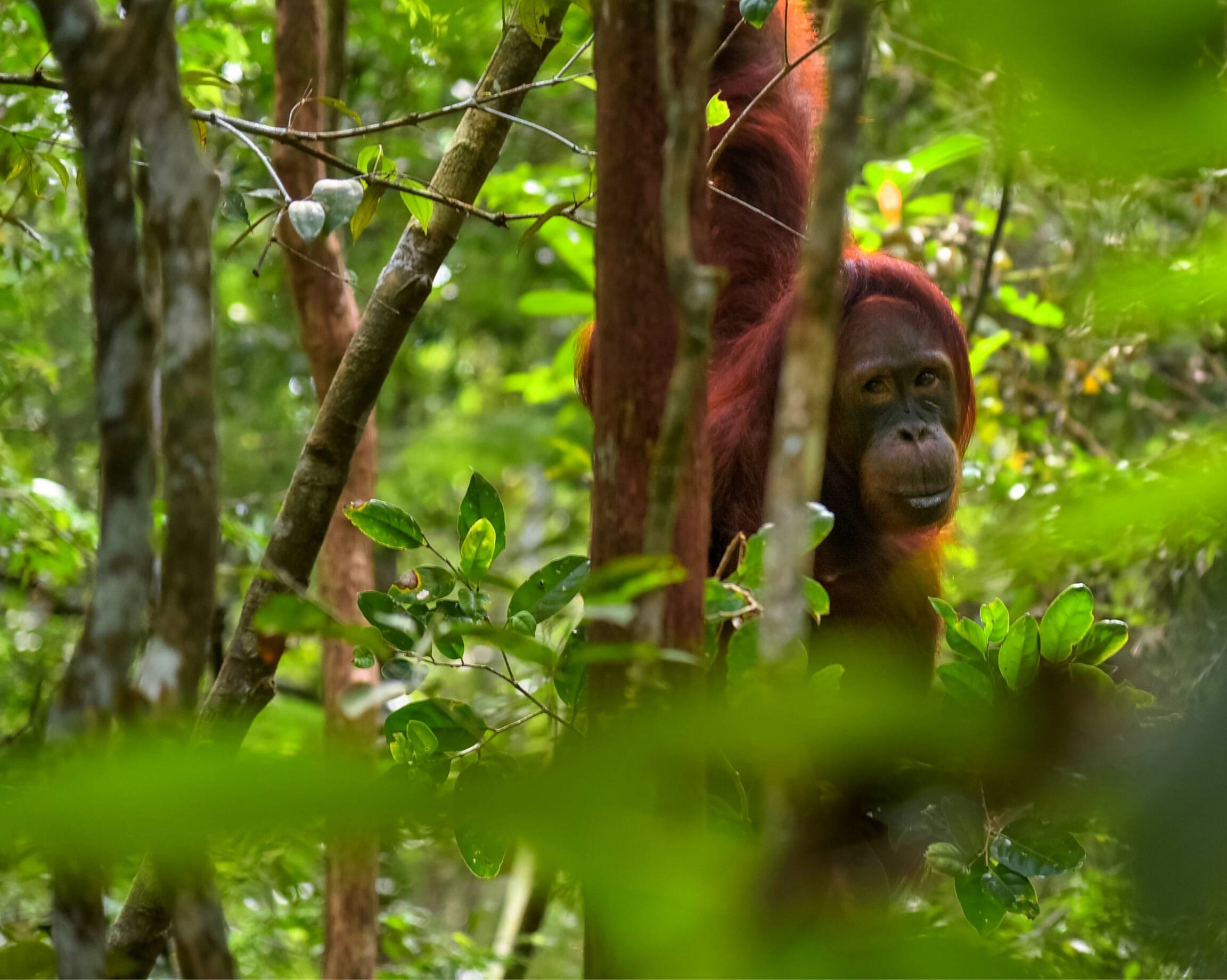
Orangutans are the most arboreal of the great apes and spend most of their time in trees. Their hair is reddish-brown, instead of the brown or black hair typical of chimpanzees and gorillas. The most notable difference is seen in their body size and appearance. Males can often weigh over 200 pounds (90 kg), whereas females are 1/3-1/2 of their size. Dominant adult males have distinctive cheek pads and produce long calls that advertise their presence and attract females and also intimidate rivals. Younger males do not have these characteristics and resemble adult females.
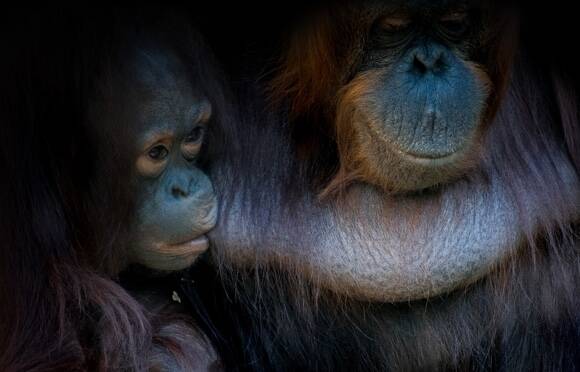
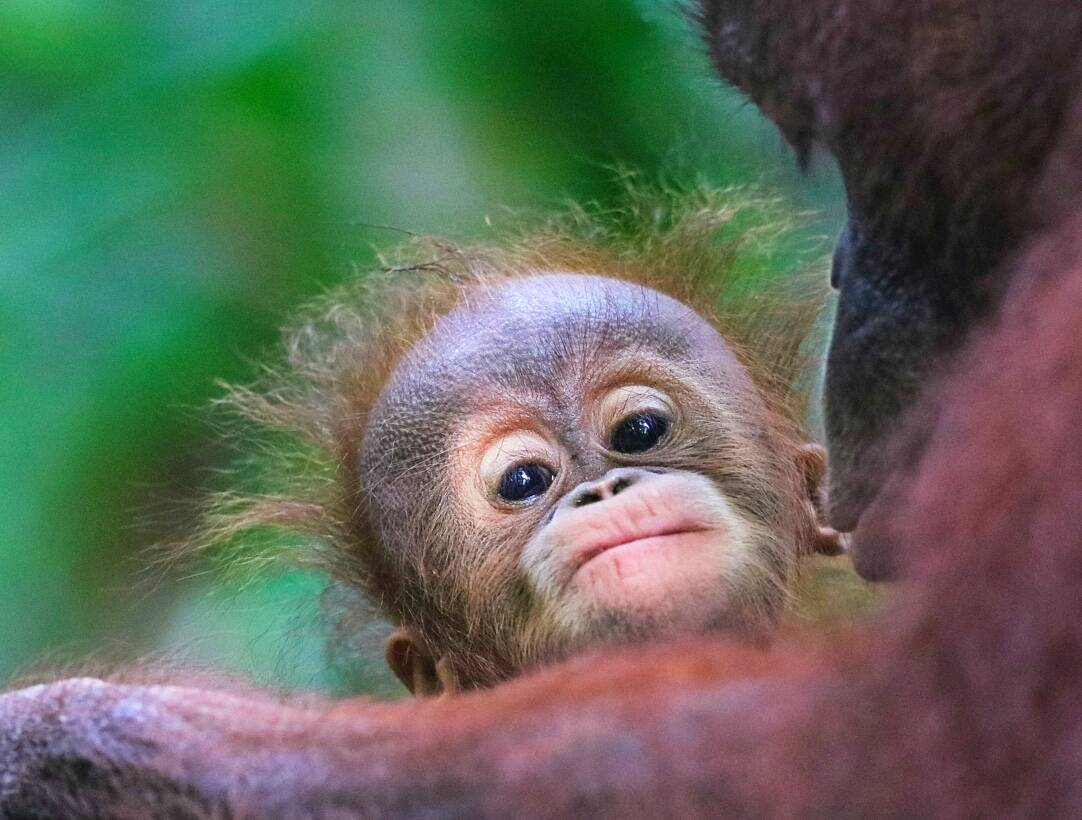
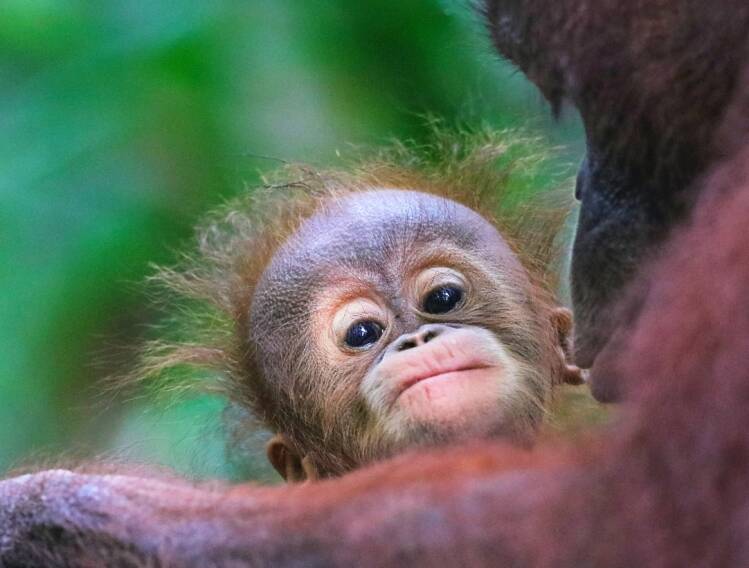
Orangutans are the most solitary of the great apes, with social bonds occurring primarily between mothers and their dependent offspring, who stay together for the first two years. The males generally remain solitary until they encounter a female who is receptive to mating. Fruit is the most important component of an orangutan's diet; however, the apes will also eat vegetation, bark, honey, insects and even bird eggs. They can live over 30 years in both the wild and captivity.
SPECIES
THE GREAT APES
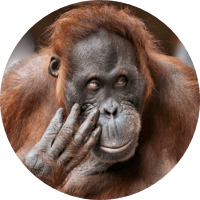
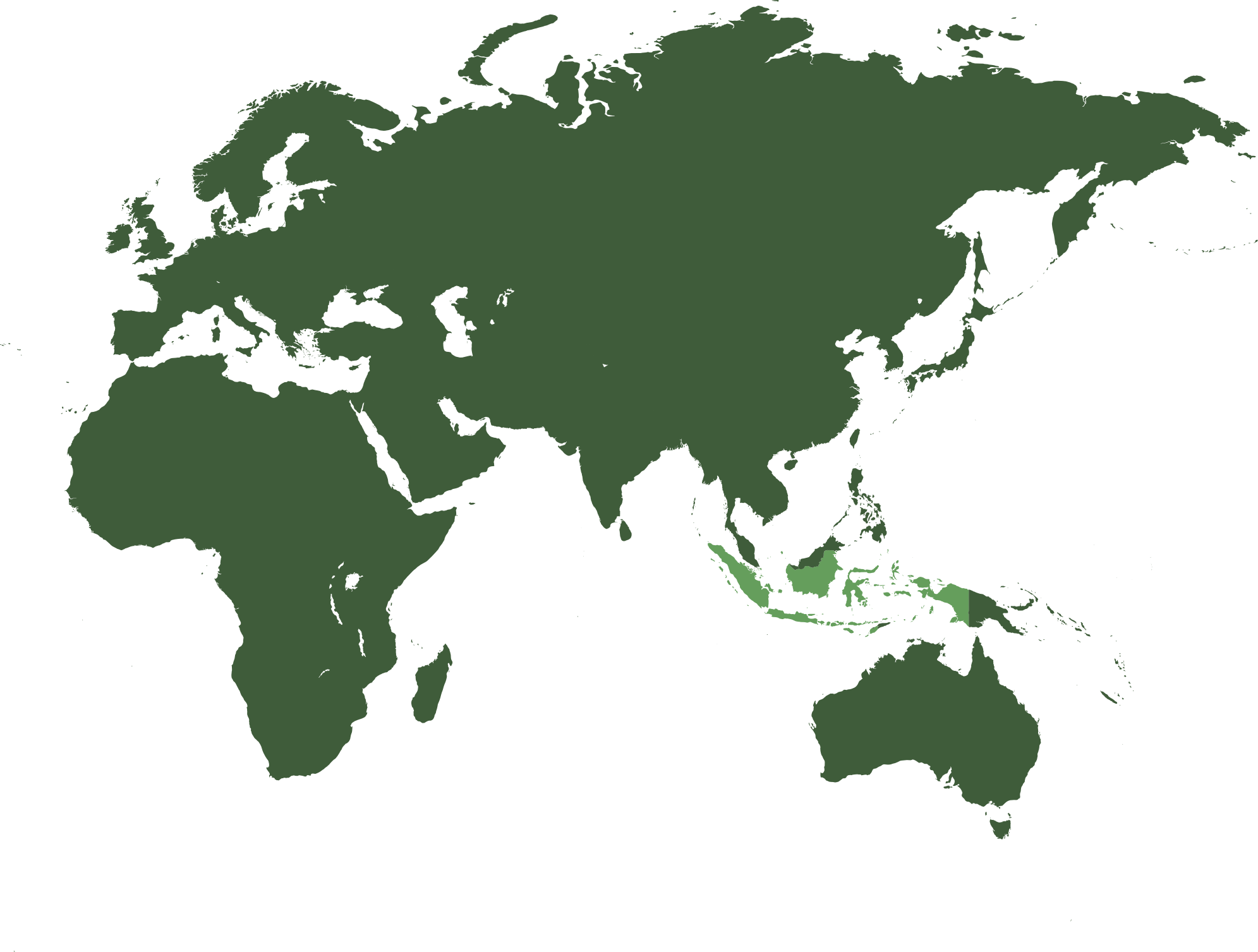
Orangutans are unique in the ape world. Of the four kinds of nonhuman great apes – gorillas, chimpanzees, bonobos and orangutans – only the orangutan comes from Asia; the rest come from Africa. There are three separate species of orangutan native to Indonesia and Malaysia: the Sumatran orangutan (Pongo abelii), the Bornean orangutan (Pongo pygmaeus), and the Tapanuli orangutan (Pongo tapanuliensis). Unfortunately, as soon as it was re-discovered in 2017, the Tapanuli orangutan was classified as the most endangered great ape species.
OF THE
ORANGUTAN
HOME

Indonesia
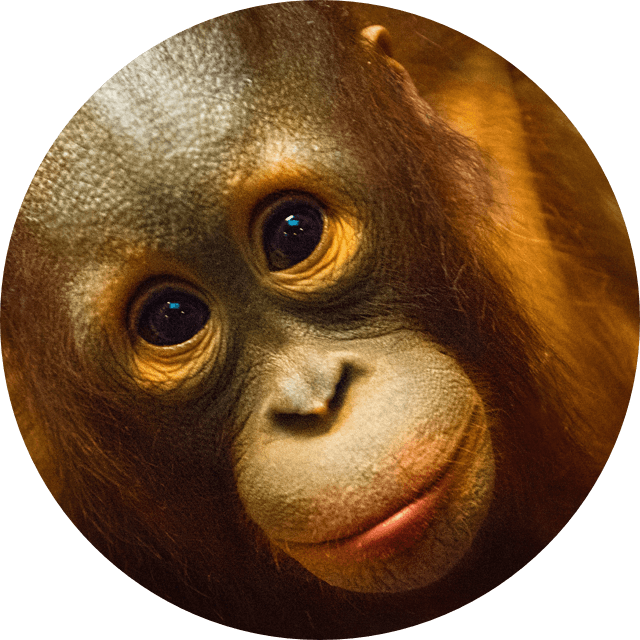
This large, gentle red ape is one of humankind’s closest relatives. Indigenous peoples of Indonesia and Malaysia call this ape “orang-hutan” literally translating into English as “people of the forest.”



















WWF
ADOPT AN ORANGUTAN
Make a symbolic orangutan adoption to help save some of the world's most endangered animals from extinction and support WWF's conservation efforts.

Deforestation and habitat loss
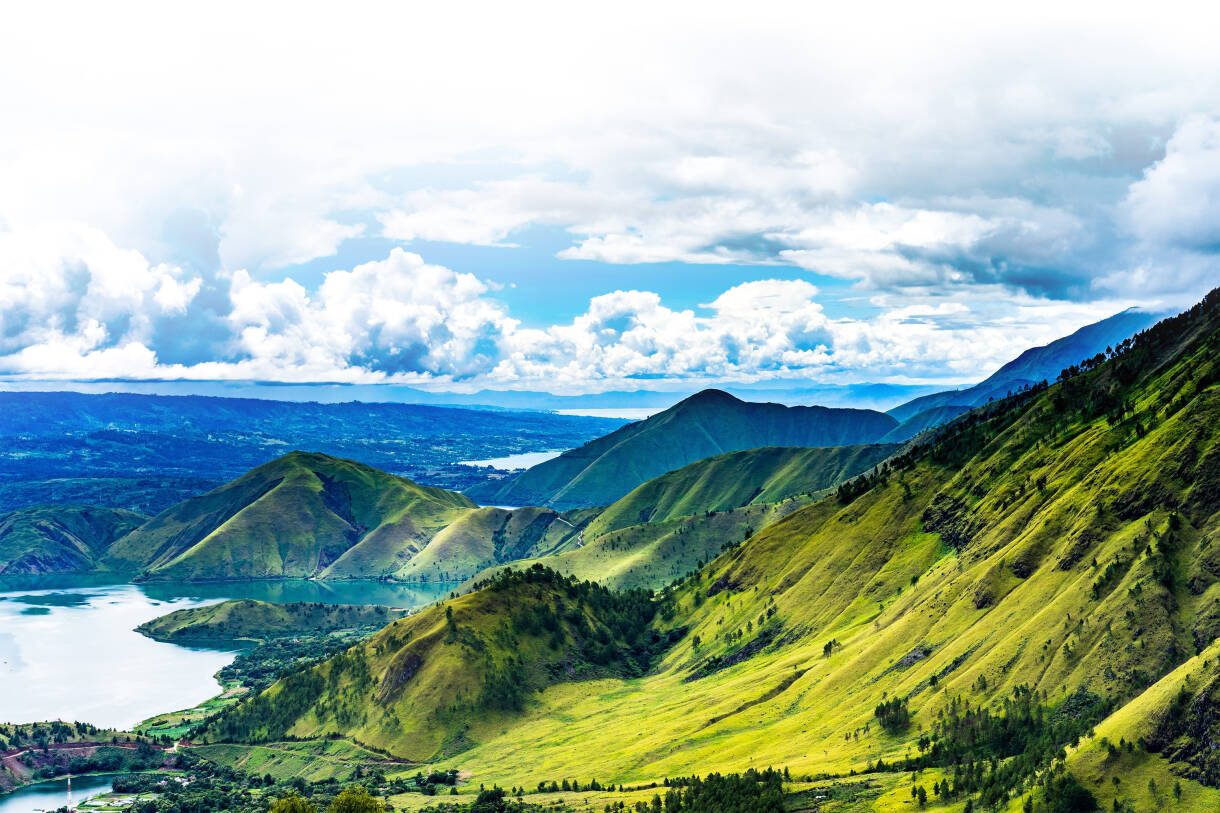
The habitats of Asia's only great apes are fast disappearing under the chainsaw to make way for oil palm plantations and other agricultural plantations. Illegal logging inside protected areas and unsustainable logging in concessions where orangutans live remains a major threat to their survival.
Hunting and illegal wildlife trade
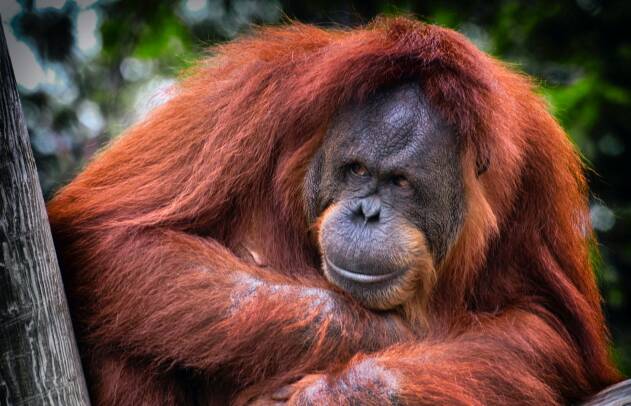
Orangutans are an easy target for hunters because they're large and slow targets. They are killed for food or in retaliation when they move into agricultural areas and destroy crops. This usually occurs when orangutans can't find the food they need in the forest.
Jane Goodall
“Orangutans have been living for
hundreds of thousands of years in their forest, living fantastic lives, never overpopulating, never destroying the forest. I would say that they have been in a way more successful than us as far as being in harmony with the environment.”

HUMAN DESTRUCTION
ENDANGERED SPECIES
Orangutans are one of the most critically endangered of the great apes, Human activities have caused severe declines in populations and ranges. Threats to wild orangutan populations include poaching, habitat destruction and deforestation as a result of palm oil cultivation, and the illegal pet trade and are devastating to Indonesia. Several conservation and rehabilitation organisations are dedicated to the survival of orangutans in the wild. This is a crucial time for orangutans.

ORANGUTAN
FACTS & FIGURES
Some might say orangutans have four hands instead of two hands and two feet.

Indonesia
Australia
NATURAL HABITAT
A LIFE IN THE TREES
Orangutans are the only primarily arboreal great ape and are the largest tree living mammal in the world. The other great apes do climb, travel and build sleeping nests in trees, but they are considered semi-terrestrial, whereas orangutans spend about 80% of their time in the trees. Orangutans have remarkable abilities for traveling through the forest canopy and have unique adaptations to their life in the treetops: feet designed much like hands for climbing, flexible hips for holding on in any direction, long arms for reaching and long, strong hands and feet.
Intelligent Primates
Orangutans are among the most intelligent primates; they use a variety of sophisticated tools and construct elaborate sleeping nests each night from branches and foliage. The apes have been extensively studied for their learning abilities. There may even be distinctive cultures within populations. Field studies of the apes were pioneered by primatologist Birutė Galdikas.


VITAL ROLE
WHY THEY MATTER
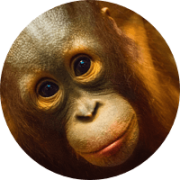
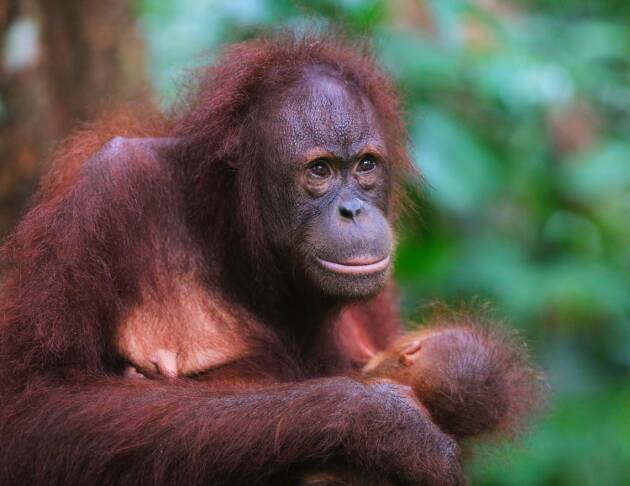
Orangutans are "gardeners" of the forest, playing a vital role in seed dispersal in their habitats. They live in tropical forests and prefer forest in river valleys and floodplains of their respective islands. Orangutans' extremely low reproductive rate makes their populations highly vulnerable. Females give birth to one infant at a time about every 3-5 years, so these species can take a long time to recover from population declines. With human pressure only increasing, orangutans face an increasing risk of extinction.
Males & Females
Orangutans are the most arboreal of the great apes and spend most of their time in trees. Their hair is reddish-brown, instead of the brown or black hair typical of chimpanzees and gorillas. The most notable difference is seen in their body size and appearance. Males can often weigh over 200 pounds (90 kg), whereas females are 1/3-1/2 of their size. Dominant adult males have distinctive cheek pads and produce long calls that advertise their presence and attract females and also intimidate rivals. Younger males do not have these characteristics and resemble adult females.
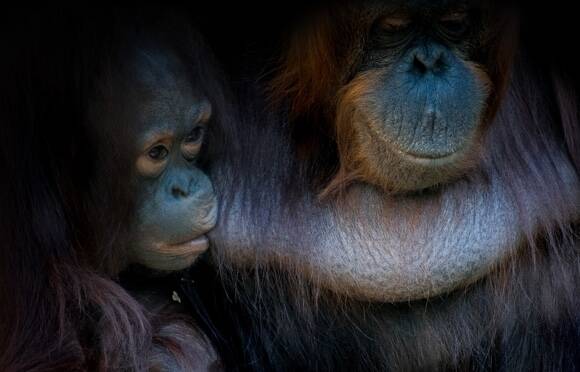
Orangutans are the most solitary of the great apes, with social bonds occurring primarily between mothers and their dependent offspring, who stay together for the first two years. The males generally remain solitary until they encounter a female who is receptive to mating. Fruit is the most important component of an orangutan's diet; however, the apes will also eat vegetation, bark, honey, insects and even bird eggs. They can live over 30 years in both the wild and captivity.

SPECIES
THE GREAT APES
Orangutans are unique in the ape world. Of the four kinds of nonhuman great apes – gorillas, chimpanzees, bonobos and orangutans – only the orangutan comes from Asia; the rest come from Africa. There are three separate species of orangutan native to Indonesia and Malaysia: the Sumatran orangutan (Pongo abelii), the Bornean orangutan (Pongo pygmaeus), and the Tapanuli orangutan (Pongo tapanuliensis). Unfortunately, as soon as it was re-discovered in 2017, the Tapanuli orangutan was classified as the most endangered great ape species.
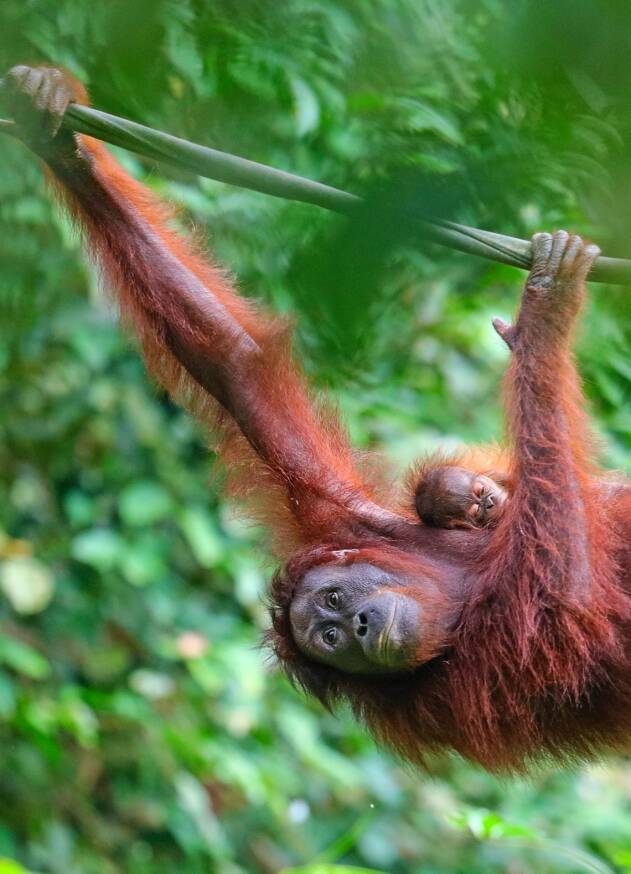
This large, gentle red ape is one of humankind’s closest relatives. Indigenous peoples of Indonesia and Malaysia call this ape “orang-hutan” literally translating into English as “people of the forest.”
Indonesia
OF THE
ORANGUTAN
HOME